


The New Season Doesn't Reward the Musicians Who Come Back Fastest
Somewhere in the first week back, almost every musician does the same thing: they try to prove, as fast as possible, that the break didn't change them.
They push through fatigue. They compare their sound to where it was three months ago. They treat the first rehearsal like an audition for their own competence.
Nobody tells you this instinct is wrong. Everyone quietly rewards it — the culture praises whoever seems to snap back into form the fastest, as if speed of return were the same thing as strength.
It isn't. And chasing it is usually the first mistake of the new season, made before a single note of real difficulty even arrives.
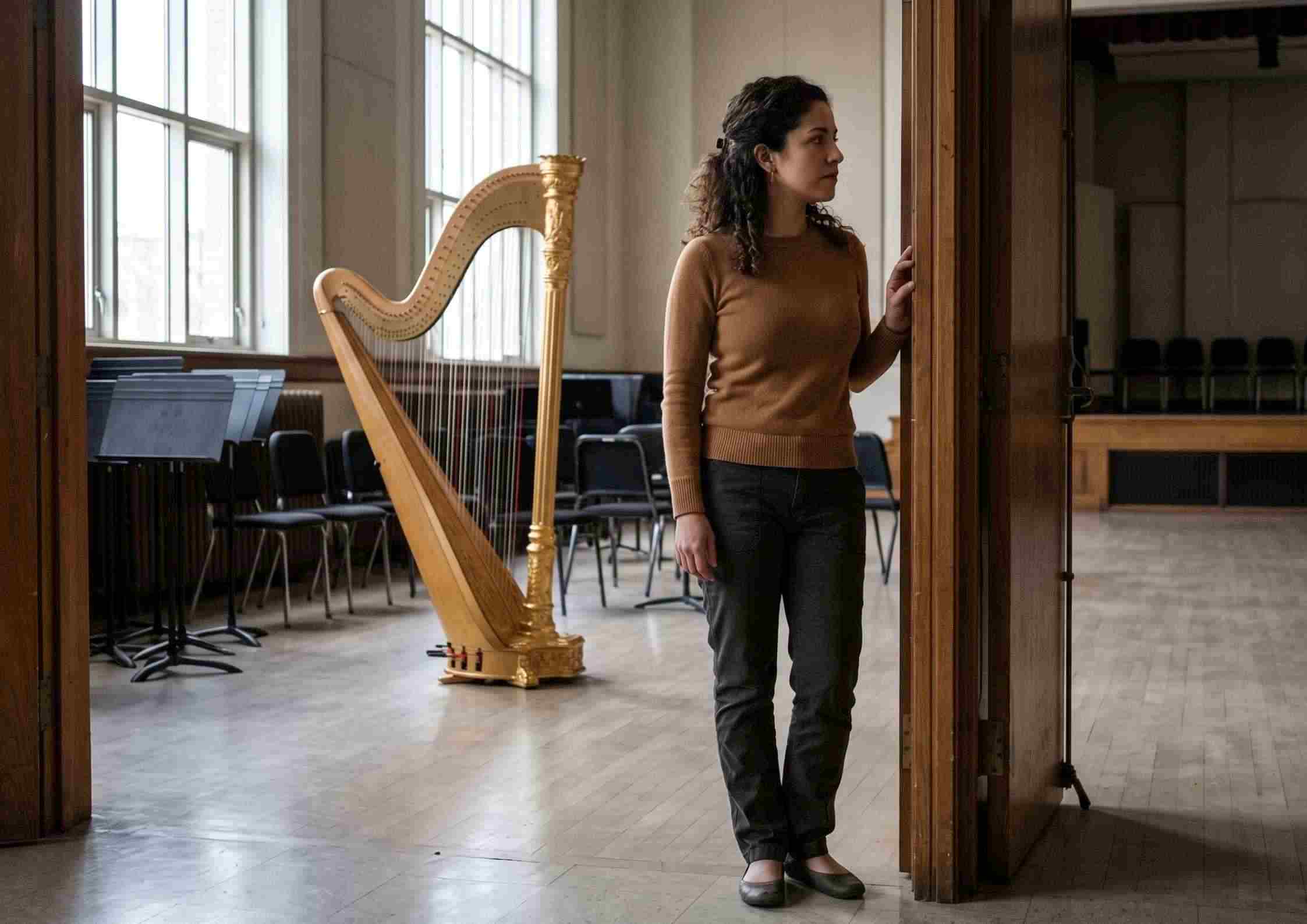
The myth of the fast comeback
Classical training has a quiet obsession with looking instantly ready. A musician who returns from break and sounds exactly the same as before is treated as disciplined. Anyone who sounds even slightly different is treated as having let something slip.
So the instinct is to erase any sign of the break as fast as possible — to prove, mostly to yourself, that time off didn't cost you anything.
This pattern often starts even before the season itself — in a summer that never actually included real rest to begin with.
But a nervous system doesn't reset on the same schedule as a calendar. Speed of return says very little about how steady you'll actually be months into the season, when the pressure that matters finally arrives.
Why the first week isn't actually a test
Most musicians treat the opening rehearsals like a proving ground — as if how sharp you sound on day one determines something permanent about your standing.
Almost nobody remembers your first rehearsal back in November. What actually gets remembered, by you and by everyone around you, is how you played when it genuinely counted — the concert, the solo, the audition — built from weeks of preparation, not from a single early session.
Treating an early rehearsal as a verdict on where you stand is the same instinct that makes any single bad rehearsal feel like proof of something it isn't.
Rushing to peak intensity in week one doesn't build readiness for later. It just borrows against reserves you're going to need.
What this looks like in real life
It looks like overpracticing in the first few days specifically to “catch up,” regardless of what your body is actually signaling.
It looks like a quiet, private panic comparing this week's sound to where you left off before the break — and treating any difference as evidence of decline.
It looks like pushing through real stiffness or fatigue because stopping to acknowledge it feels like admitting weakness in front of colleagues who all seem to be managing fine.
It can also look like something quieter and much less rewarded: a musician who takes the first two weeks deliberately slower, and who is noticeably steadier than everyone else by the time October's real pressure arrives.

Why this pattern is so hard to interrupt
The culture doesn't just tolerate the fast-comeback instinct — it actively rewards the appearance of it. Snapping back instantly reads as commitment. Needing time reads, unfairly, as something closer to weakness.
It's a close relative of the same perfectionism that convinces high-standard musicians that easing into anything is the same as lowering the bar.
Very few mentors or teachers ever modeled a different way of returning. So the pattern repeats, season after season, largely unquestioned.
A different way to measure a good start
A good start isn't measured by how close you are to full intensity on day one. It's measured by whether the way you're building back is one you can actually sustain through December, through the pieces that will genuinely test you.
How you return also quietly shapes something less obvious: your actual relationship with your instrument for the months that follow, not just your technical readiness.
The first rehearsal is one data point in a long season. It was never meant to carry the weight most musicians quietly assign to it.
Practical ways to start a season that actually holds
This isn't about doing less out of a lack of ambition. It's about sequencing the ambition so it survives contact with the whole season.
1. Separate “back” from “at full intensity”
You can return to rehearsals without demanding full output from yourself on day one. Being present and being at peak capacity are not the same requirement.
2. Name the comparison to your pre-break self out loud
When you catch yourself measuring this week against three months ago, name it explicitly as a distortion in the moment, not a real diagnosis of where you actually stand.
3. Build a real re-entry ramp
Plan a structured increase in intensity over one to three weeks, decided in advance, rather than flipping straight from off to full output on the first day back.
4. Protect the nervous system before protecting the calendar
Schedule actual regulation — breathing, grounding, deliberate rest — into the first weeks specifically, not just repertoire. The calendar will always find room for more playing; it rarely protects space for anything else on its own.
5. Redefine a strong start
A strong start isn't one that looks impressive in week one. It's one that's still holding up in December, when the season's actual demands arrive.
A different kind of readiness
There is a version of starting the season that photographs well — a musician who looks instantly recovered, instantly sharp, instantly back. It gets nodded at in the hallway. It rarely gets questioned.
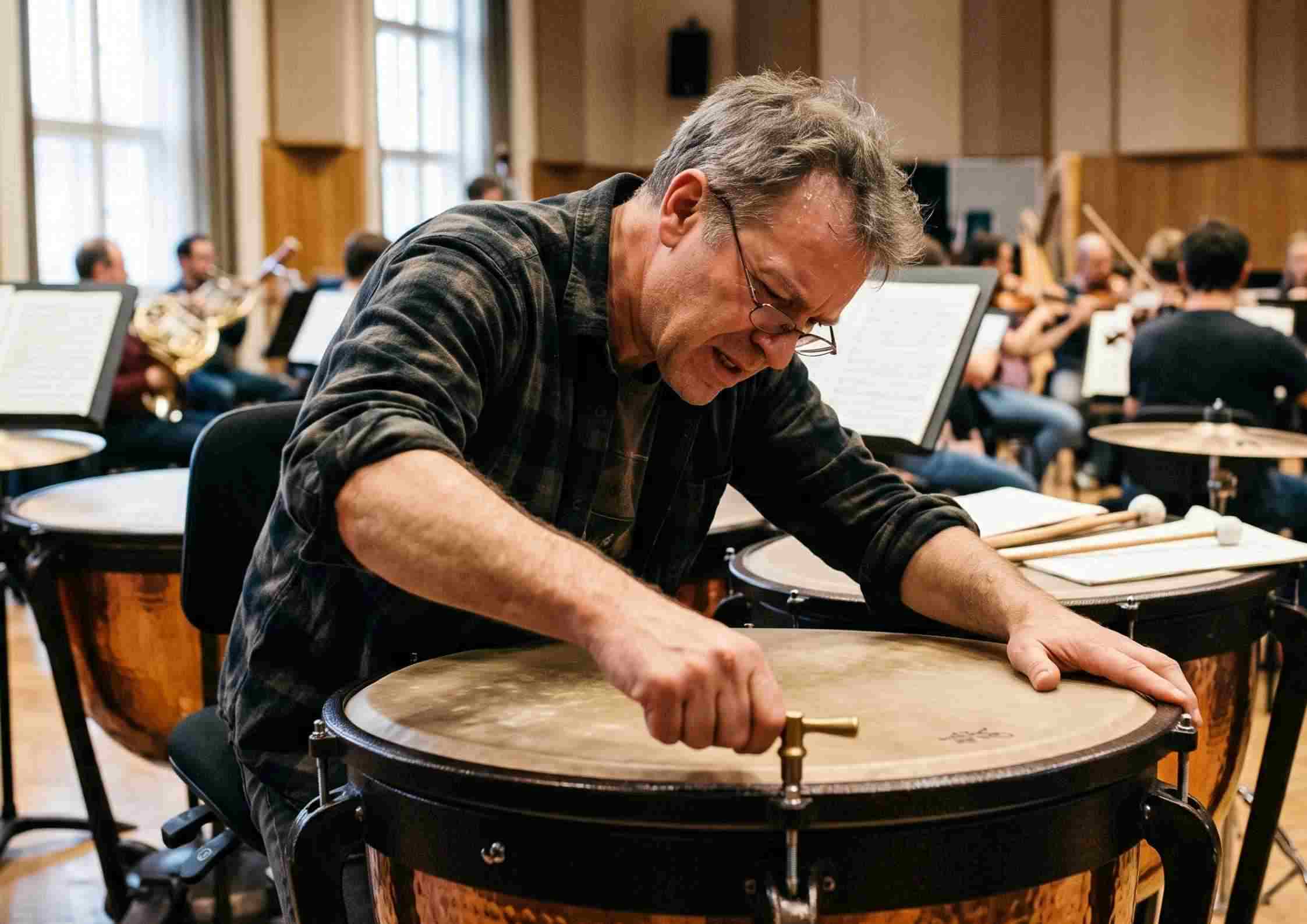
There is another version, much less visible, that actually holds. It doesn't announce itself in the first week. It shows up months later, when the pressure is real and the person walking into it is still standing — not running on fumes borrowed from a comeback they never actually needed to win.
You are not behind
Many musicians need to hear this at the start of every season:
Needing a few real weeks to return is not weakness.
Feeling less than fully sharp in week one does not mean you lost anything real over the break.
The musician who rushes back the fastest is not automatically the musician who's actually the most ready.
The season isn't won in the first rehearsal. It's built, carefully, in all the ones after it — and how you start determines whether you have anything left by the time it actually counts.
FAQ
Is it normal to feel rusty at the start of a new season?
Yes. Time away from a regular routine changes how automatic playing feels at first, regardless of how strong your fundamentals still are. This is a normal re-entry effect, not a sign of lost ability.
How long does it take to feel back to normal after a break?
This varies by person and by how the break itself was spent, but a gradual one-to-three-week ramp is far more common — and far more sustainable — than an instant return to full intensity.
Does taking it slower at the start put me behind?
Usually not. A deliberate, structured ramp back tends to produce steadier playing by the time real season pressure arrives than a rushed, all-at-once return does.
Why do I feel more anxious returning to rehearsals than I expected?
Re-entry anxiety is common, especially if the break included genuine distance from playing. It often reflects the gap between how ready you expect to feel and how ready you actually feel yet — not an actual loss of skill.
What's the healthiest way to ease back into a demanding season?
Plan a specific, gradual increase in intensity in advance, protect time for nervous-system regulation alongside repertoire, and resist measuring your first week against where you left off months earlier.

Instagram
Facebook
LinkedIn
Website