


Perfectionism in Musicians: When High Standards Start Hurting Your Playing
A lot of musicians do not call it perfectionism.
They call it being serious.
They call it having standards.
They call it caring.
They call it wanting to do justice to the music.
And in many cases, that is true. Care matters. Precision matters. Depth matters. The desire to do something beautifully is not the problem.
The problem begins when your standards stop supporting your growth and start attacking your nervous system.
That shift can be subtle. On the outside, you still look committed. You practice. You prepare. You listen closely. You work hard. Yet somewhere along the way, the inner tone changes. Instead of helping you refine your playing, your standards become a running commentary on what is still not good enough.
This is where perfectionism in musicians becomes costly.
What once felt motivating begins to feel heavy. Practice turns tense. Performing feels emotionally dangerous. Rest becomes harder to justify. Even progress can feel strangely unsatisfying, because the mind has already moved on to the next flaw.
From the outside, people may see discipline.
From the inside, it often feels like living under constant internal pressure.
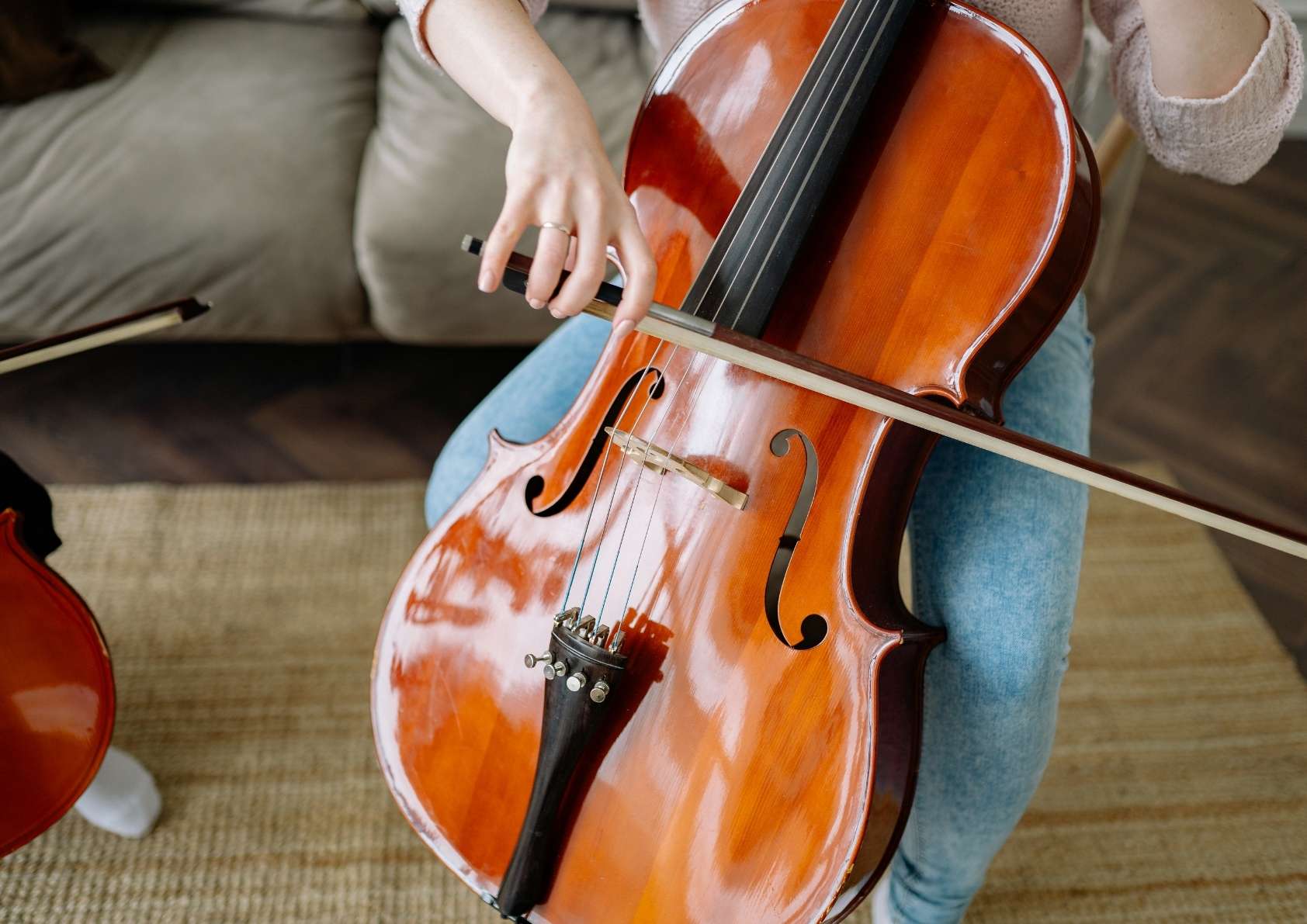
Why perfectionism feels so normal in music
Music training can make perfectionism look almost noble.
You are taught to notice detail. You are taught to repeat. You are taught to care about nuance, precision, timing, style, intonation, rhythm, consistency, and control. None of that is wrong. In fact, much of it is essential.
Still, there is a difference between refined listening and relentless self-surveillance.
Healthy standards help you hear more clearly. Perfectionism makes every imperfection feel personal.
That is why so many musicians struggle to recognize the issue early. The habits are often rewarded. You may get praised for being demanding with yourself. You may believe your progress depends on never relaxing internally. Over time, this can create a private equation: if I ease up, I will fall behind.
That belief keeps many musicians trapped in performance pressure in musicians that never really turns off.
When high standards start working against you
There is a useful kind of self-evaluation. It is honest, specific, and steady. It helps you identify what needs attention without collapsing your sense of self.
Perfectionism feels different.
It widens every mistake into a verdict.
It turns one imperfect run into proof that you are unreliable.
It makes improvement feel temporary and flaws feel permanent.
Under that kind of pressure, the practice room stops being a place where you build trust. It becomes a place where you defend your worth.
That is exhausting.
And it often leads to a painful contradiction: the harder you try to guarantee a perfect result, the less free and stable your playing becomes. Attention tightens. Expression narrows. Your body starts cooperating less. Small slips carry too much emotional weight.
This is one of the hidden pathways into musician burnout. It is not always caused by workload alone. Sometimes the deeper drain comes from the emotional cost of never feeling allowed to be unfinished.
The fear underneath perfectionism
Perfectionism is rarely just about excellence.
Very often, it is about protection.
If I get everything right, maybe I will not be judged.
If I prepare enough, maybe I will not feel exposed.
If I can eliminate mistakes, maybe I can finally relax.
That logic is understandable. Music places you in vulnerable situations. You are heard, evaluated, compared, and sometimes rejected in very visible ways. Of course part of you wants safety.
But perfectionism does not create safety. It creates vigilance.
And vigilance is not the same thing as confidence.
A musician can look highly controlled and still feel deeply unsafe inside. That is why fear of making mistakes in performance can remain intense even after years of strong training. The nervous system does not calm down simply because your standards are high. Often it becomes more alarmed, because every error now carries exaggerated meaning.

What perfectionism does to your relationship with music
One of the saddest effects of perfectionism is how quietly it changes your experience of the art itself.
Music starts feeling less like communication and more like exposure.
Practice starts feeling less like discovery and more like correction.
Performance starts feeling less like expression and more like survival.
That is a painful way to live inside something you care about.
Many musicians in this state are not lacking skill. They are lacking room. Room to breathe. Room to experiment. Room to be present without constantly scanning for what could go wrong.
This is why learning how to be less self-critical as a musician is not about lowering the quality of your work. It is about restoring conditions under which meaningful work can actually happen.
You do not become less serious.
You become less hostile toward yourself.
That change matters more than most musicians realize.
A healthier alternative to perfectionism
If perfectionism is not the answer, what is?
Not carelessness.
Not vague positivity.
Not pretending details do not matter.
A better alternative is honest, grounded excellence.
That kind of excellence still listens carefully. It still values preparation. It still wants growth. What changes is the emotional climate around the work. You respond rather than attack. You notice rather than condemn. You stay engaged with the process instead of turning every hard moment into a personal failure.
This creates a very different inner experience.
You can miss notes and remain stable.
You can hear problems without spiraling.
You can aim high without making tension your identity.
That is a much stronger foundation for consistent performance.
How to loosen perfectionism without losing your edge
The first step is not to ask, “How do I stop caring so much?”
That usually will not work, and it misses the point.
A better question is: “What kind of inner tone helps me do my best work?”
For most musicians, the answer is not shame.
Try noticing the voice that appears when something goes wrong. Is it specific and useful, or global and punishing? Does it help you re-enter the music, or does it pull you further away from it?
Then start building small moments of interruption.
Pause after a mistake before reacting.
Name what actually happened without exaggeration.
Choose one adjustment instead of launching into a full internal attack.
These are small shifts, but they change the quality of your attention. Over time, they help separate seriousness from self-cruelty.
That is how change becomes believable.
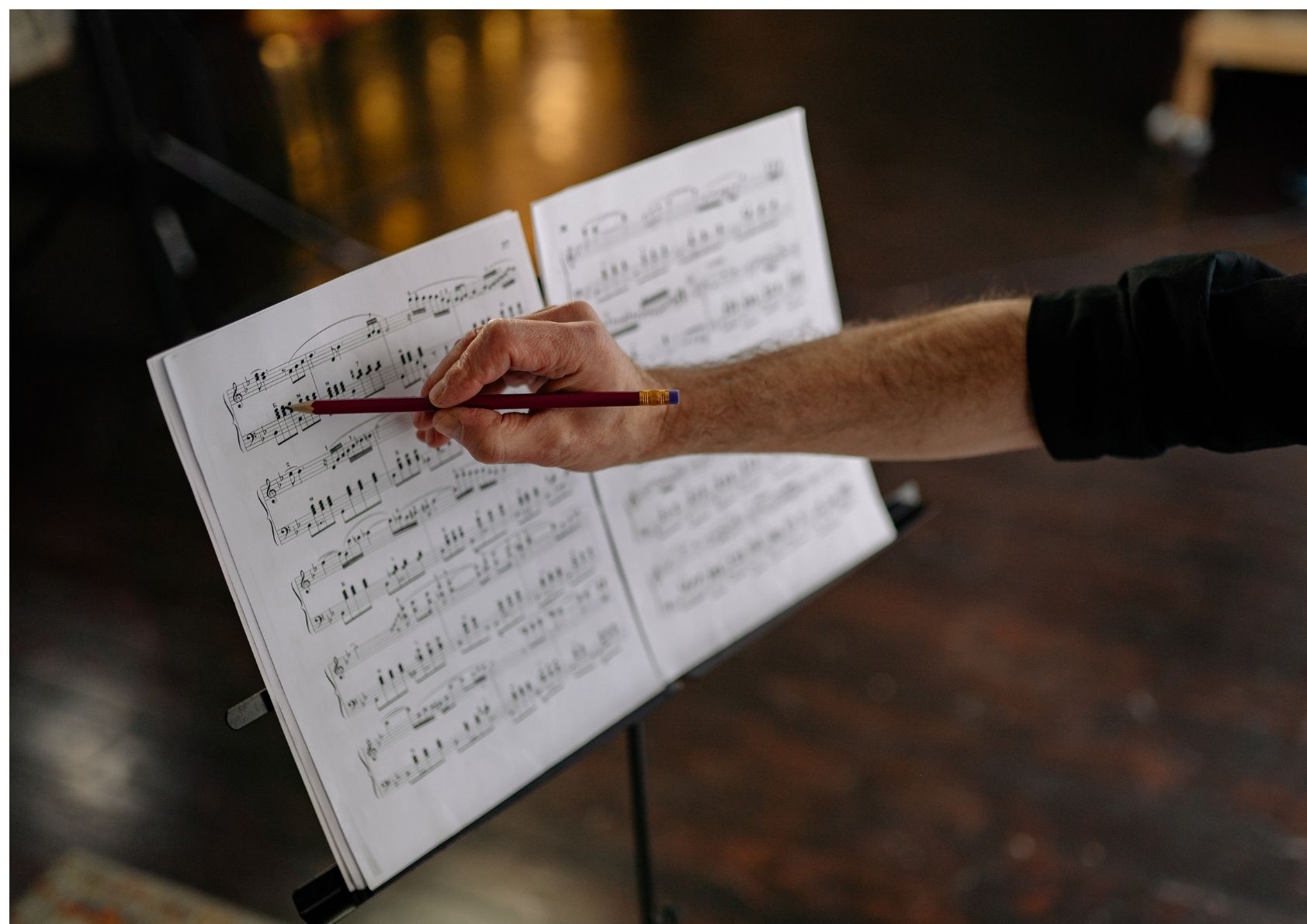
You are allowed to be excellent and human
Some musicians are afraid that if they soften at all, their standards will collapse.
Usually the opposite happens.
When the nervous system feels less threatened, concentration improves. Learning becomes cleaner. Recovery gets easier. Your playing has more room to breathe. The musical line returns. So does a sense of proportion.
This does not mean the fear disappears overnight. Perfectionism often has deep roots. It may have protected you for a long time. But protection that costs you your steadiness, your joy, and your capacity to trust yourself comes at a high price.
You are allowed to care deeply about your craft without living in constant inner combat.
That is not weakness.
It is maturity.
And for many musicians, it is the beginning of a more sustainable relationship with both music and themselves.
FAQ
What does perfectionism in musicians usually look like?
It often shows up as constant self-criticism, difficulty stopping practice, emotional overreaction to small mistakes, and the sense that nothing you do ever feels fully enough. It can sound disciplined from the outside while feeling punishing on the inside.
Can perfectionism in musicians lead to musician burnout?
Yes. Burnout is not only about long hours. It can also come from chronic internal pressure, harsh self-monitoring, and never feeling permitted to rest or be unfinished. That emotional load adds up.
Why is fear of making mistakes in performance so strong even when I am prepared?
Preparation helps, but fear is not always solved by more work. When mistakes feel tied to identity, judgment, or worth, the body stays on alert. That is why emotional training matters alongside musical preparation.
How can I learn how to be less self-critical as a musician without lowering my standards?
Start by making your feedback more specific and less personal. Instead of attacking yourself, describe the issue clearly and choose one response. You can stay demanding about the work while becoming much kinder in the way you relate to yourself.

Instagram
Facebook
LinkedIn
Website