


The Hidden Emotional Cost of Belonging in Classical Music
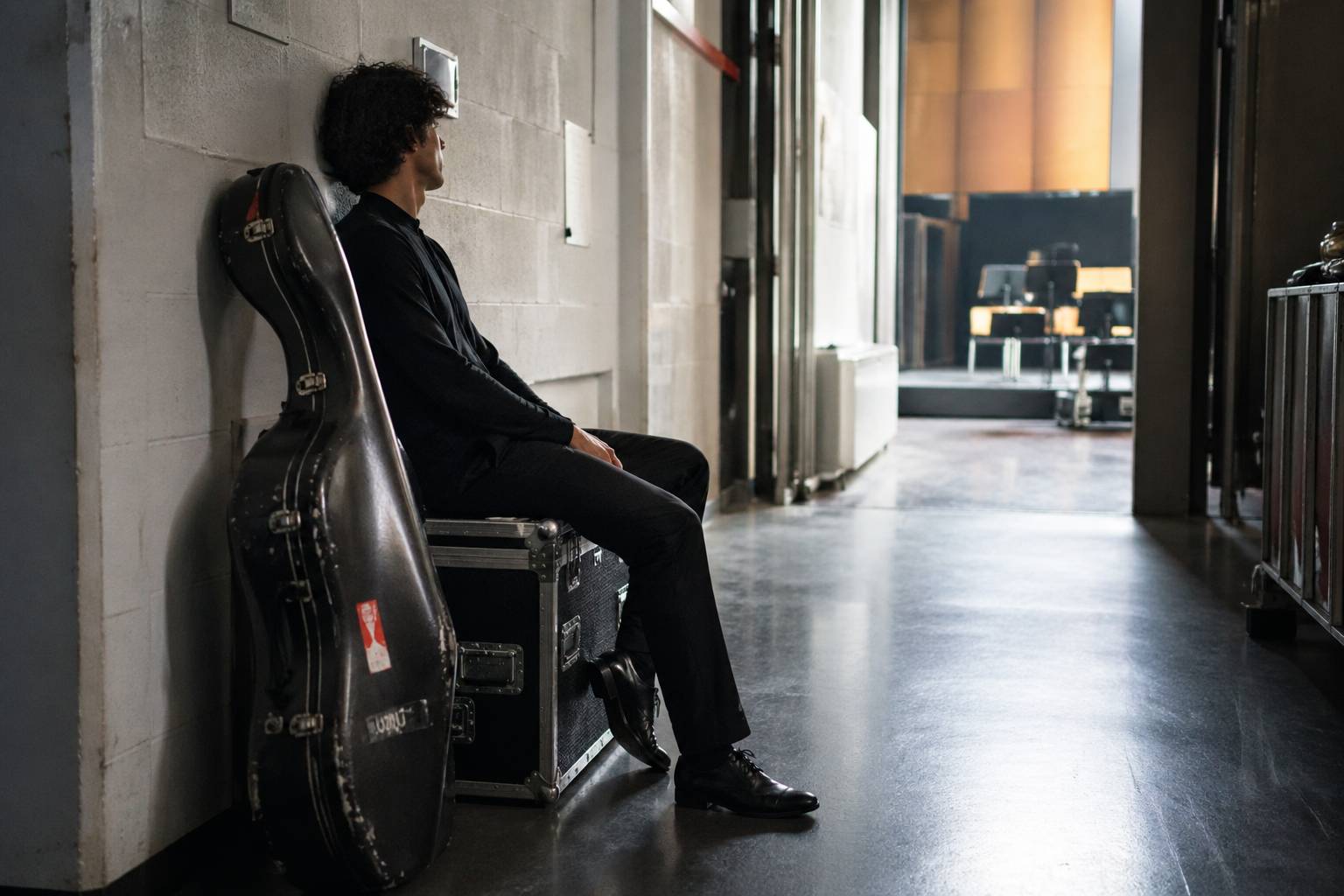
Belonging is one of the most beautiful parts of music
For many musicians, some of the most meaningful moments in life happen inside a group.
A rehearsal suddenly breathes. A phrase opens and everybody feels it at once. A concert lands in the room with that rare sense of shared presence, and for a few seconds you are not just doing your job. You are part of something larger than yourself.
This is one of the reasons orchestral and ensemble playing can feel so fulfilling. Music gives you connection, purpose, identity, and a place to contribute. It can make you feel useful in the deepest sense.
But there is another side to this that musicians do not talk about enough.
Sometimes the need to belong becomes so strong that your emotional stability starts depending on what is happening around you. On whether colleagues seem warm. On whether the conductor looks pleased. On whether the atmosphere in the section feels open or tense. On whether your experience is being silently validated by the people around you.
That is where belonging stops being nourishment and starts becoming something heavier.
When your inner state depends too much on the group
This often happens quietly.
You may notice that a rehearsal only feels good when the room feels good. A concert only feels satisfying if other people seem satisfied too. Even a beautiful moment can feel strangely incomplete unless it is mirrored back to you by someone else.
There is nothing weak or childish about this. Human beings are relational. We regulate through connection. We are affected by tone, energy, approval, and rejection. In music, this is intensified because the work itself is collective. You are constantly listening, adapting, blending, responding, and reading the room.
The problem begins when your own experience disappears inside that process.
At that point, you are no longer simply sharing music with others. You are waiting for others to tell you, directly or indirectly, whether you are allowed to feel safe, satisfied, or at ease.
Many musicians live like this for years without realizing it.
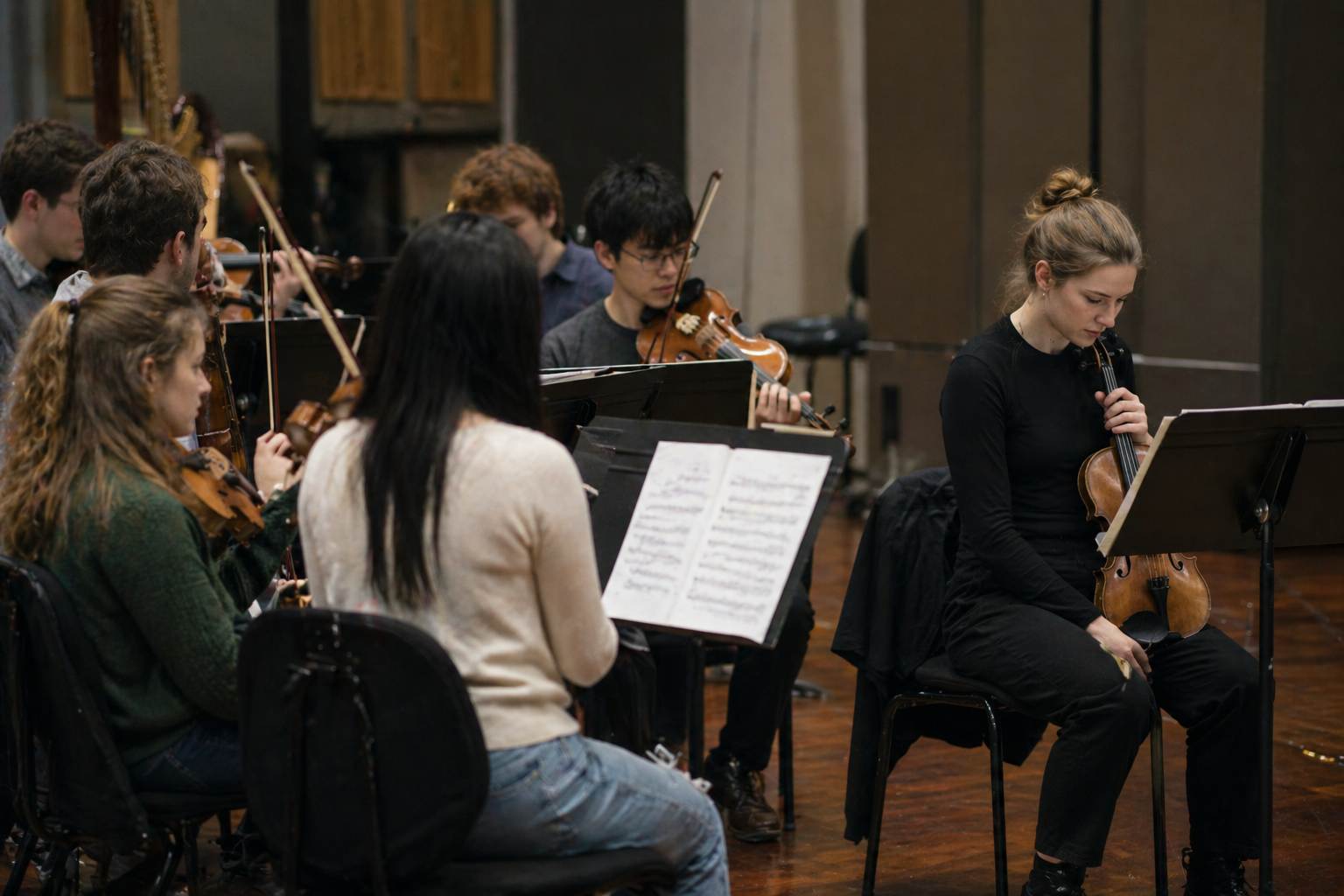
Why this hurts more in classical music
Classical music culture makes this dynamic stronger.
From very early on, most musicians are trained inside systems of evaluation. You learn to notice hierarchy, approval, standards, and correction. You learn that being accepted often depends on invisible rules as much as visible skill. You become highly sensitive to whether you are fitting, pleasing, blending, and getting it right.
That sensitivity can help you become an excellent ensemble player. It can also make your nervous system too dependent on the environment.
Then something subtle happens. You stop asking, “What am I experiencing?” and start asking, “How is this being received?”
That shift is costly.
It makes rehearsals more draining. It makes section dynamics feel more personal than they are. It makes difficult atmospheres harder to tolerate. It also makes joy more fragile, because joy now needs confirmation.
Instead of belonging giving you strength, it begins to decide whether you have any.
The hidden forms this can take
This does not always look dramatic.
Sometimes it looks like feeling fine alone, but unsettled as soon as another person seems disappointed.
Sometimes it looks like enjoying your playing until you notice a colleague’s face.
Sometimes it looks like being unable to relax after a concert because you are still scanning for clues about how it went.
Sometimes it looks like needing a shared emotional climate in order to let yourself enjoy anything.
And sometimes it looks like exhaustion. Not because you played badly, but because you spent the entire day emotionally managing the room.
This is one of the hidden burdens many musicians carry. They are not only playing. They are also continuously monitoring belonging.
Why it is so hard to notice
Part of the difficulty is that this pattern can feel normal.
In an orchestra or ensemble, of course other people matter. Of course their energy affects you. Of course music is relational. All of that is true.
But relational does not have to mean emotionally dependent.
There is a difference between being connected and being governed by the group.
The first is alive and flexible. The second is exhausting. It leaves you vulnerable to every shift in mood, every ambiguous interaction, every cold rehearsal, every imagined judgment.
Many musicians assume this is simply professionalism, sensitivity, or teamwork. In reality, it is often a sign that their inner center has become too externalized.
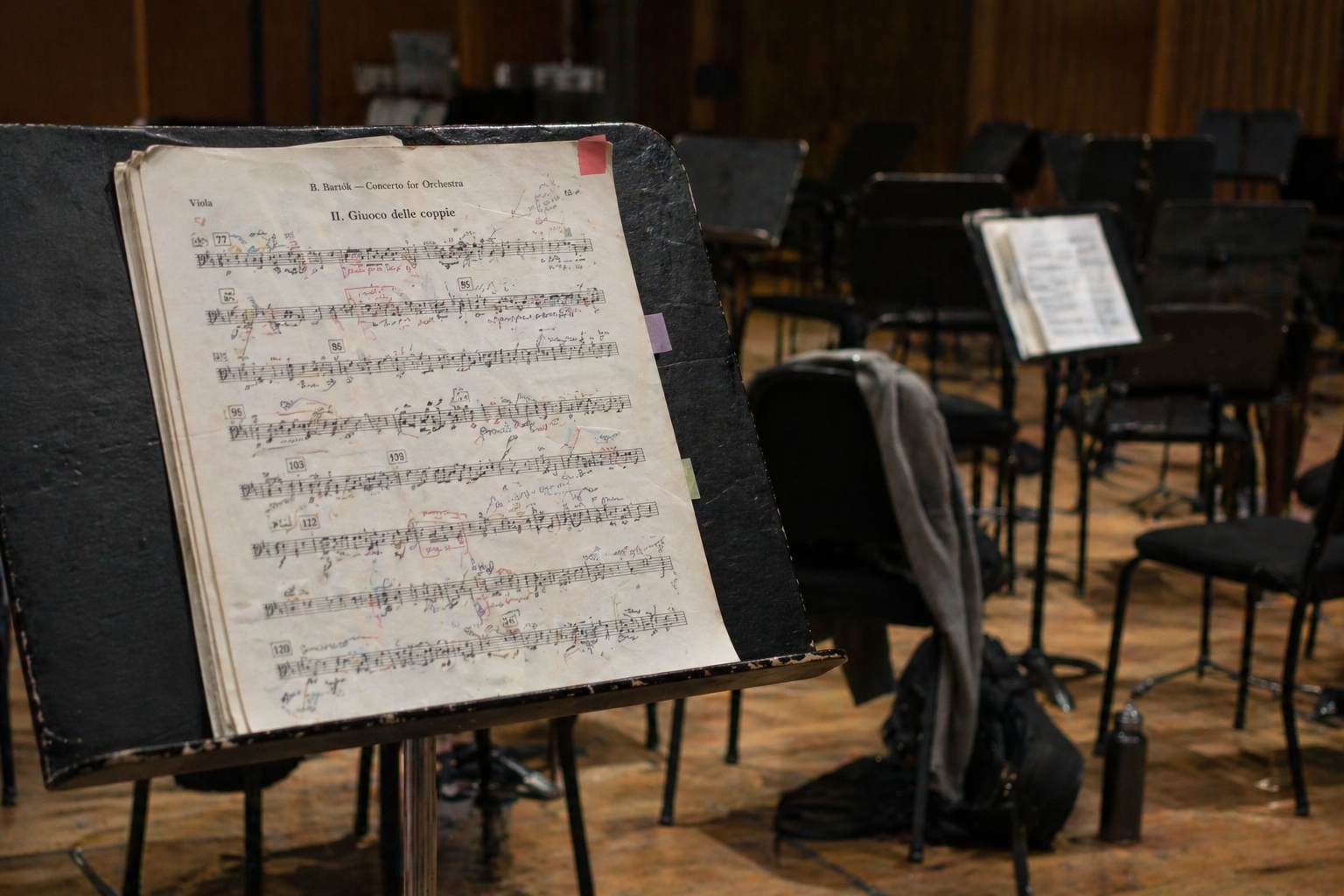
How to belong without losing yourself
The goal is not to become detached, hard, or self-contained.
The goal is to stay connected while remaining rooted in your own experience.
That begins with a simple question: What am I actually feeling before I check what everyone else is feeling?
Not what should I feel. Not what are they feeling. Not what does this mean about me.
Just: what is true for me right now?
That question can be surprisingly difficult for musicians who are used to orienting outward first. But it is powerful, because it returns you to yourself.
From there, a few gentle shifts help:
1. Notice when you are scanning for approval
Catch the moments when your mind moves immediately to other people’s reactions. Naming the habit already loosens it.
2. Let your experience exist before it is confirmed
A rehearsal can be meaningful even if nobody comments on it. A concert can feel honest even if no one reflects that back to you. Your experience is still real.
3. Separate atmosphere from identity
A tense room does not automatically mean you are the problem. A distant colleague is not always a verdict. Not everything in a group is about you.
4. Build private forms of steadiness
A short check-in before rehearsal, a grounding breath before playing, a written reflection after concerts, a clear sense of what mattered in your own contribution. These small practices reduce emotional drift.
5. Allow connection to be a gift, not a condition
Shared joy is beautiful. It multiplies everything. But it becomes healthier when it is something that enriches your experience, not something required for you to have one.
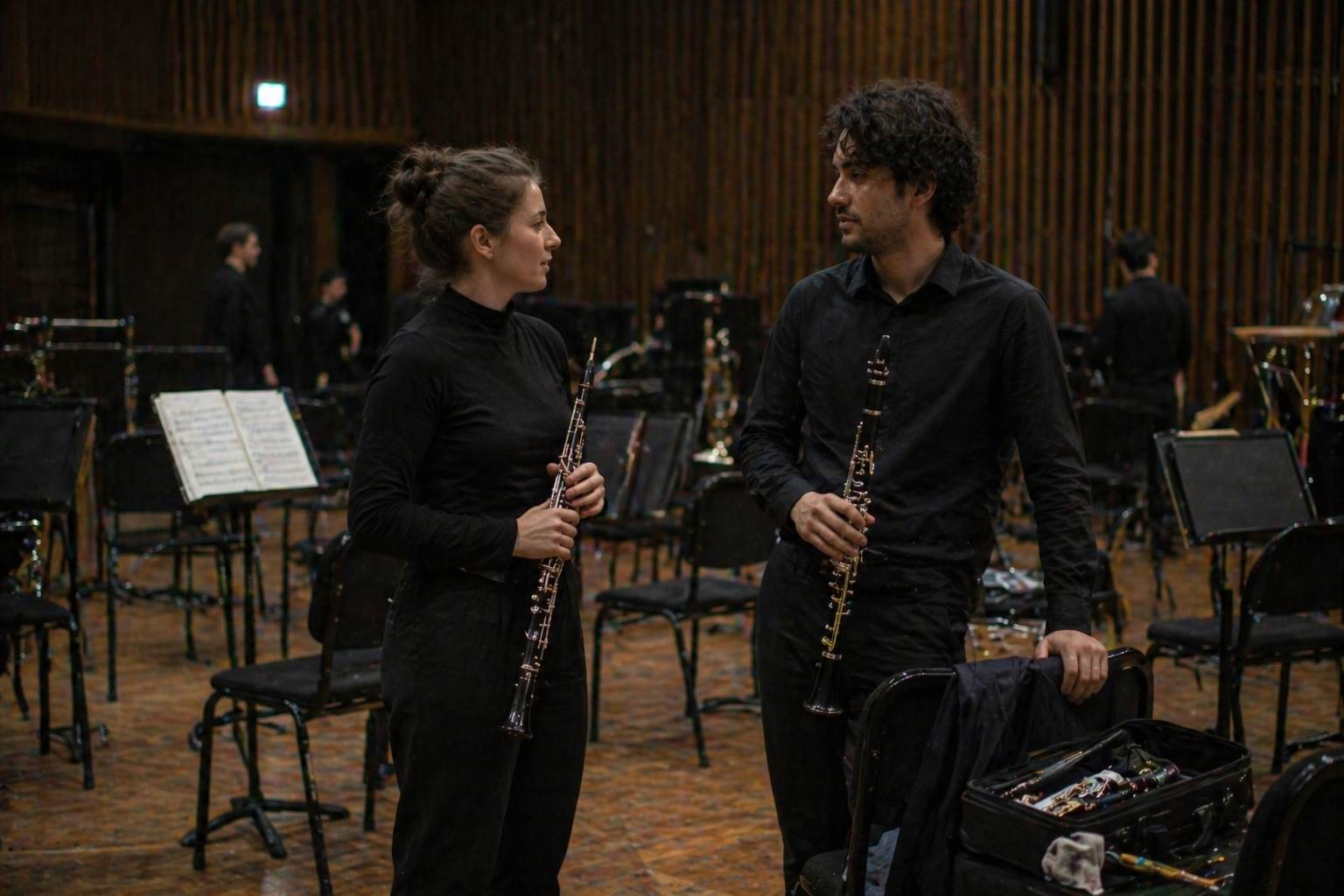
A healthier kind of belonging
Real belonging does not ask you to disappear.
It does not require you to abandon your center so that the group can tell you who you are. It allows connection without erasing self-trust. It leaves room for sensitivity without making your worth dependent on constant reassurance.
This matters because a musical life is too long, too demanding, and too personal to be lived entirely through other people’s signals.
You are allowed to love the group deeply and still remain in contact with yourself.
In fact, that may be the healthiest form of belonging there is.
FAQ
Why do I feel worse in ensemble settings than when I practice alone?
Because ensemble playing adds social pressure, comparison, hierarchy, and emotional reading of the room. You may not only be playing music. You may also be monitoring approval and belonging.
Is needing validation from colleagues a bad thing?
No. Wanting connection and recognition is human. It becomes a problem when your emotional balance depends on it too much.
Can this affect performance anxiety?
Yes. When your attention is pulled toward how you are being perceived, it becomes harder to stay grounded in sound, timing, and musical intention.
How do I know if this is happening to me?
A good sign is whether your sense of ease changes dramatically depending on the mood, reaction, or approval of people around you.
Can I stay connected to the group without becoming emotionally dependent on it?
Yes. That usually starts by strengthening your awareness of your own experience before you look outward for confirmation.

Instagram
Facebook
LinkedIn
Website