


How to Feel Good Enough as a Musician When Life Feels Too Full
When You No Longer Feel Good Enough
The problem is not always what it looks like.
There are periods in a musician’s life when nothing has technically gone wrong. The work is still there. Rehearsals are still happening. You are still showing up. And yet something underneath has shifted — a slow accumulation of demands, a growing sense that the inner space you usually depend on has become crowded and harder to access.
A concert sits on your shoulders while another program needs attention. An audition arrives in the middle of fatigue. New repertoire keeps coming before the previous repertoire has had time to settle. Life outside music continues asking for presence, energy, and thought.
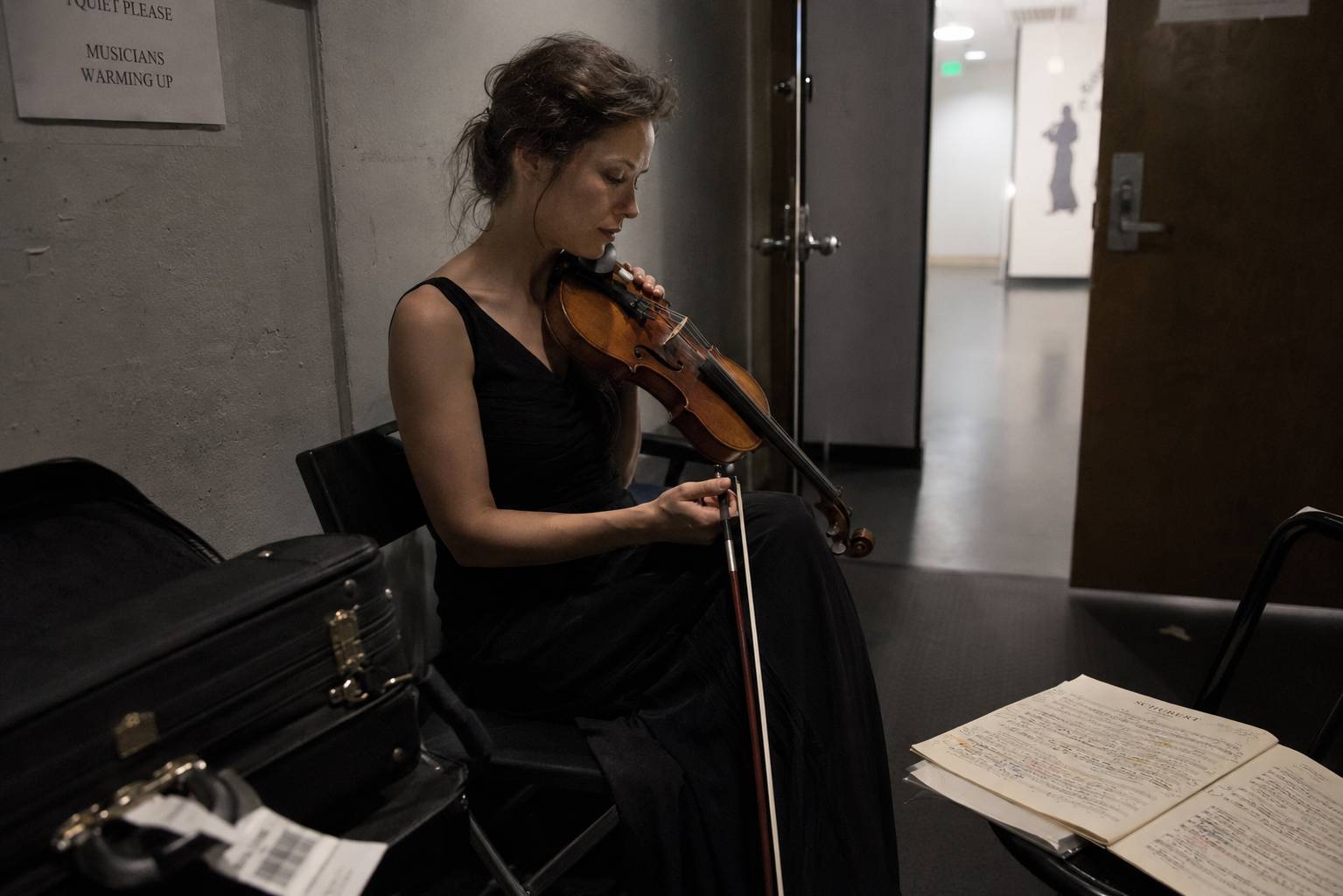
At first, it only feels like pressure. But pressure, held long enough without relief, starts to change its voice. It stops sounding like “this is a lot” and begins sounding like “maybe I am not enough for this.”
That shift is where the real difficulty begins. And it is worth understanding precisely, because the two things are not the same.
When a difficult day stops being just a difficult day
One of the most exhausting features of being a musician under sustained pressure is that ordinary events begin to carry extraordinary weight.
A shorter practice session starts to feel significant. A tired mind starts to resemble weakness rather than just being tired. One unfocused rehearsal begins to pull meaning from somewhere deeper — not just “I played less well today,” but something closer to “what does this say about where I am?”
From the outside, almost nothing may look wrong. Rehearsals still happen. Concerts still happen. The schedule moves forward. Meanwhile, the inner experience becomes harder and harder to live with, because every ordinary difficulty has become potential evidence.
A demanding day no longer reads as a demanding day — it reads as failure. Overload no longer reads as overload — it reads as deficiency. A difficult season no longer reads as a difficult season — it reads as a verdict on your level.
Musicians can spend years inside that interpretive layer without naming it for what it is: exhaustion wearing the mask of inadequacy.
The fear that quietly gathers underneath
What makes these periods particularly hard is what lives underneath the stress.
For most musicians, music is not only work. It is identity, devotion, years of accumulated effort, and considerable self-respect. So when instability appears — when the inner ground feels less solid — it rarely stays neatly in the category of “a difficult week.” It begins touching worth, continuity, and the sense of whether you belong here at all.
Underneath the pressure, there is often a fear that runs something like this: if it does not feel solid inside, maybe it is not solid at all. Maybe this discomfort is revealing something you did not want to know.
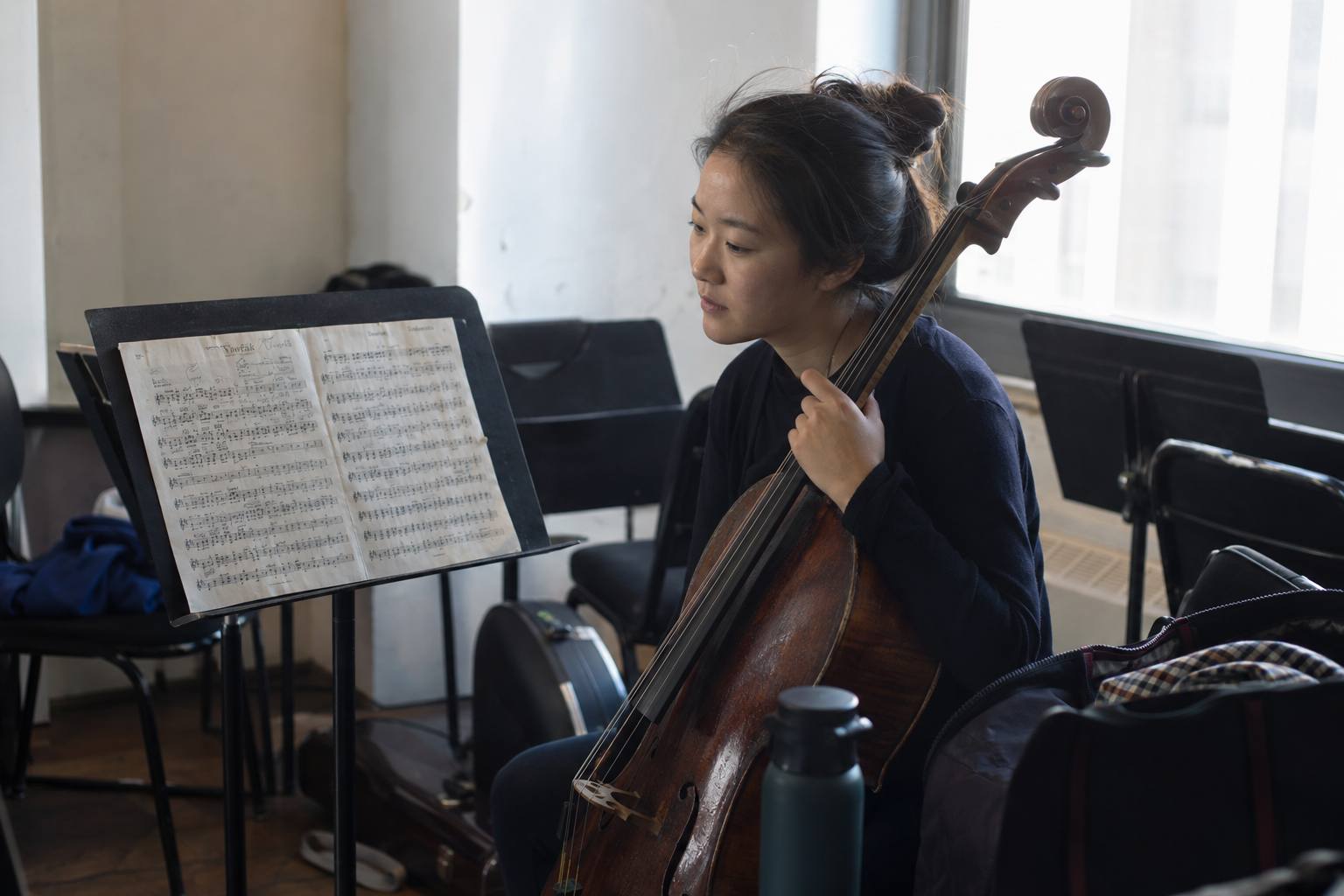
And that fear, once activated, changes everything it touches. The practice room stops being a place to work and becomes a place to check whether you are still safe. Repetition becomes loaded. Discipline becomes anxious. Even genuinely useful work stops bringing relief, because what you are searching for is no longer improvement. It is reassurance. And reassurance built on performance is almost impossible to hold.
Inner state and actual ability are not the same thing
This is perhaps the most important thing to understand during these periods, and it is also the one most easily forgotten when you are inside them.
A demanding week can distort perception very quickly. Exhaustion changes how things are interpreted before it changes what you can actually do. And in that state, it becomes easy — almost automatic — to assume that what feels shaky must actually be shaky.
Most of the time, that assumption is wrong.
Depth does not disappear because life became crowded. Musical intelligence does not collapse because one performance felt tight. Real work does not evaporate because the mind is tired. What disappears, often, is not ability — it is trust in ability. And those are very different problems, with very different solutions.
Uncomfortable feelings do not reliably describe reality. There are times when a musician genuinely needs better structure, more repetition, or sharper priorities. There are also times when the problem is not insufficient preparation at all. The problem is accumulated pressure misread as inadequacy. Knowing the difference — even approximately — changes how you relate to everything that follows.
The hidden exhaustion of proving yourself
There is another layer that deserves to be named.
At a certain point, practice stops being purely about preparing the repertoire well. It becomes entangled with needing to prove something to yourself — to confirm that you still have it, to recover the feeling of control as quickly as possible, to make the uncertainty stop.
The effort is real. But the inner posture has changed. Fear is now sitting inside discipline, and that changes the whole character of the work. You stop meeting the material and start monitoring yourself inside it. Listening gives way to checking. Presence gives way to searching for a verdict.
This is why highly committed musicians can feel strangely unstable even while working very hard. The problem is not the amount of work. The problem is what the work has become — not a practice, but a daily referendum on whether you are still good enough.
What “good enough” might actually mean
The phrase deserves rescuing from what it sounds like.
Feeling good enough does not mean carelessness. It does not mean lowering the bar to avoid discomfort, or pretending a difficult period is not difficult. In a deeper sense, it means something more precise: your worth as a musician is not up for re-evaluation every time life becomes intense.
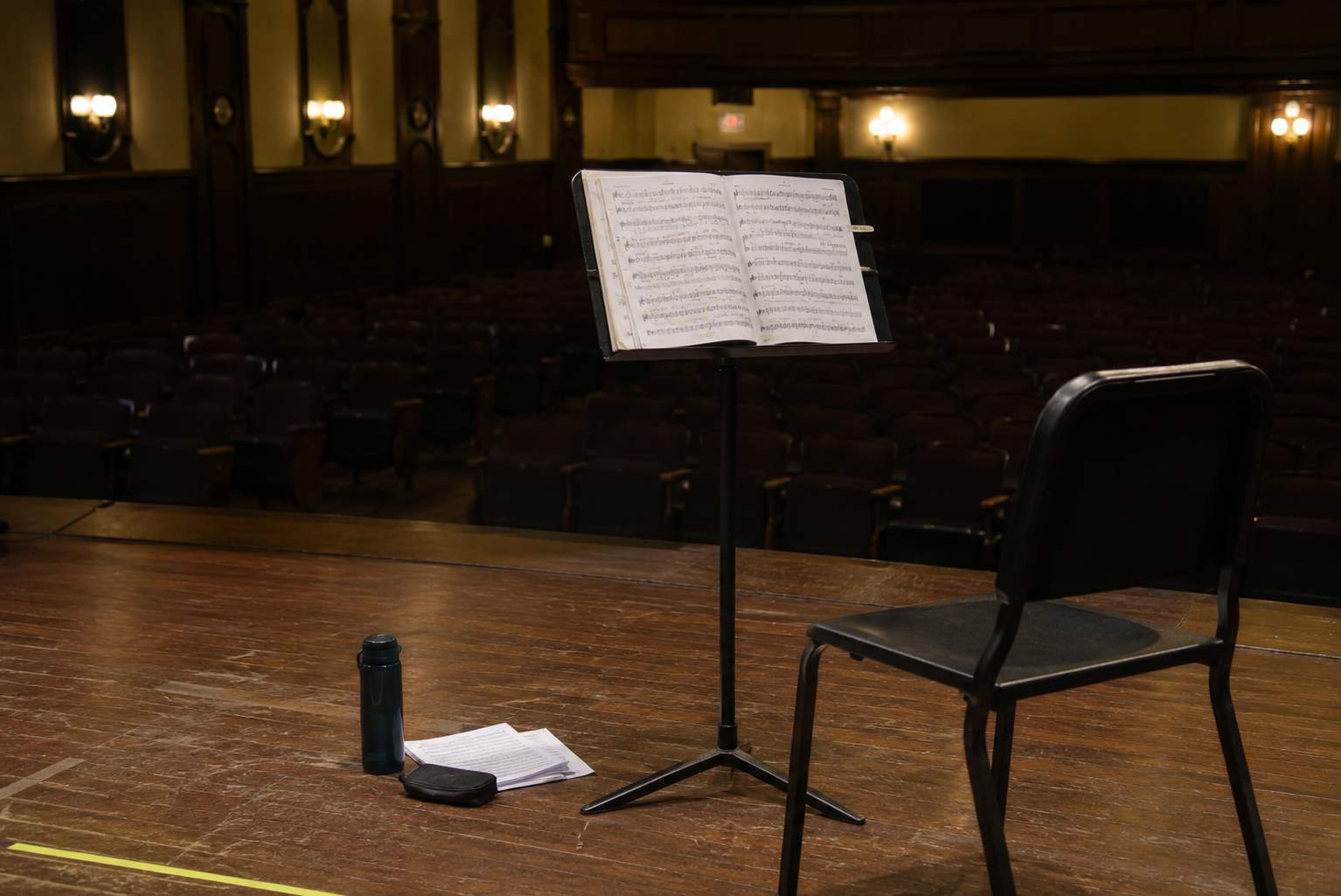
One imperfect rehearsal is not a revelation. A season of pressure does not cancel trust in what has already been built. A tired mind on a heavy week is not evidence of decline.
There is something genuinely mature in that way of relating to difficulty. Not because it sounds reassuring, but because it is closer to the truth. Preparation is never completely separate from life. No musician brings perfect inner conditions to every important moment. Real solidity is not the absence of disturbance — it is the capacity to keep your place within it. And that capacity is already present in most musicians who have been doing serious work for serious time. What they often lack is not the foundation itself, but the willingness to trust that it is still there.
A more useful question
During the most difficult periods, the most helpful question is rarely “how do I get rid of this feeling?”
A more honest question is: what am I making this mean?
Sitting with that question — not forcing an answer, but genuinely looking — can reveal that what looked like failure is fatigue. What felt like decline is overload. What became frightening is not the work itself, but the story that quietly gathered around it.
From there, something can change. Not the standards, but the violence of the interpretation. Practice becomes useful again — not because everything suddenly feels easy, but because the room is no longer carrying the impossible task of deciding who you are.
Where a steadier relationship begins
Over time, it becomes possible to develop a different kind of relationship with these periods.
Not a perfect relationship. Not a permanently calm one. Something more human than that — a relationship in which strain is recognised as strain, in which not every hard moment becomes personal evidence, in which trust does not depend on always feeling clear, strong, and in control.

The demands do not disappear. Pressure does not become imaginary. Some weeks remain heavy, and certain performances will still unsettle you more than others.
But there is a significant difference between being genuinely challenged by the difficulty of music and being quietly crushed by what you keep concluding about yourself inside that difficulty.
Most musicians who reach a more stable place in their relationship with performance do not get there by finally achieving certainty. They get there by gradually learning that uncertainty was never evidence of the thing they feared most. The foundation was there. It did not need that much defending.
FAQ Section
Why do I feel not good enough when I am actually working hard?
Because effort and inner security are not the same thing. A musician can be doing serious, committed work and still feel inwardly unstable — especially during periods of fatigue, overload, or sustained pressure. The feeling of inadequacy is real, but it does not always accurately describe the situation.
Can exhaustion make me doubt my actual level?
Yes, and it does so reliably. Exhaustion changes interpretation before it changes ability. A tired mind tends to read difficulty as deficiency, and inconsistency as decline. Learning to recognise that pattern — even roughly — is one of the most useful things a musician can develop.
How can I trust my preparation more when I do not feel it?
Partly through structure and repetition, which give preparation a form you can return to. But also through learning not to treat every difficult day as a judgment on your musicianship. The two things are separate, even when they do not feel that way.
Is “good enough” a healthy idea for a serious musician?
Yes, when it means relating to yourself with more accuracy and less constant self-verification. It becomes problematic only when it is used as a reason to disengage from the work itself — which is almost never what musicians who ask this question actually want.
What is the difference between a difficult period and a real problem?
A real problem usually points to something specific: preparation gaps, structural issues, habits that need attention. A difficult period is more diffuse — a sense of weight, instability, or inadequacy that does not point clearly to anything fixable. The question worth asking is whether the discomfort is generating useful information, or simply generating more discomfort.


Instagram
Facebook
LinkedIn
Website