


How to Rest Without Feeling Guilty as a Musician
You put the instrument away. You close the score. You sit down.
And then, quietly, it starts.
A sense that you should still be working. A voice that sounds remarkably like responsibility telling you that pausing now is a risk. That someone else is in the practice room right now. That the right to stop has not quite been earned yet.
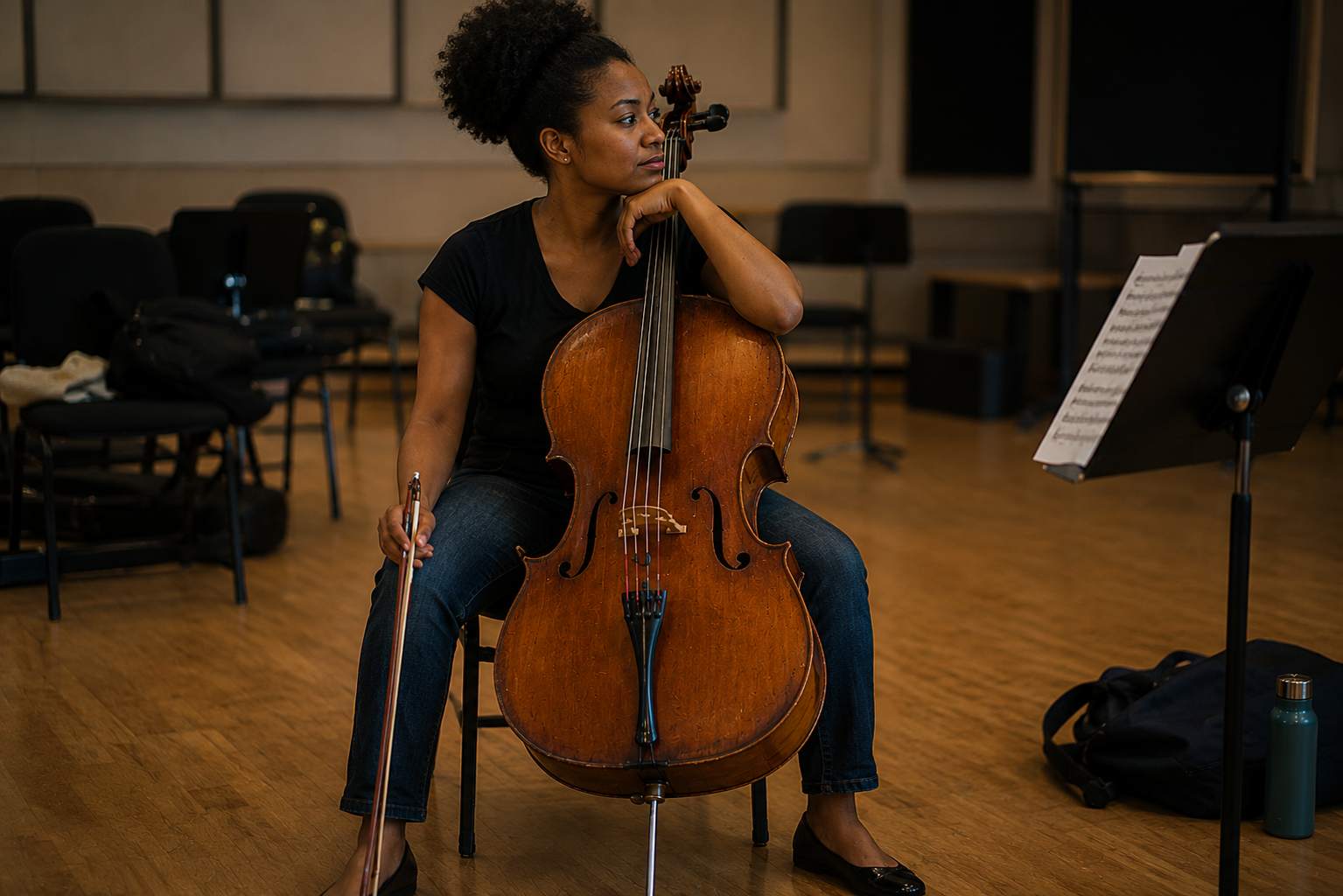
Most musicians I have spoken with know this feeling. Very few have named it clearly.
The problem is not only that musicians rest too little. The deeper problem is that rest, for many musicians, has become morally suspicious. Stopping feels like caring less. Stepping back feels like becoming softer. And so the guilt that arrives when you pause does not feel like a symptom of overwork. It feels like evidence of commitment.
But those two things are not the same. And confusing them has a cost that tends to grow quietly over time.
Why the guilt sounds so reasonable
Part of this comes from what musicians learn to associate with seriousness.
In most training environments, effort is visible and rest is not. Staying longer, pushing through, adding another repetition — these are legible signals of dedication. Stopping to recover is invisible. It produces nothing you can point to. And so over years of training, the equation settles in without anyone stating it directly: committed musicians keep going.
When you stop, the mind reads it as a signal. And the inner commentary that follows can sound remarkably responsible:
Someone else is working right now.
You could be using this time better.
If you were more disciplined, you would keep going.
What makes this difficult is that the guilt speaks in the language of dedication. It sounds like it is on your side. But underneath that voice, if you listen carefully, there is usually something else entirely.
Fear. Fear that if you loosen your grip, something will slip. Fear that your level is only safe when you are actively maintaining it. Fear that rest will reveal you were never as solid as you hoped.
The guilt feels convincing because it is not really about laziness. It is about safety. And until that is seen clearly, no amount of permission to rest will actually allow rest to happen.
When practice stops being practice
This is the point that most conversations about rest in music never reach.
Practice is not always practice.
Sometimes it is real preparation: focused, connected to the music, genuinely moving something forward. But sometimes — more often than most musicians want to acknowledge — it becomes something else. A way of checking whether you are still okay. A way of managing anxiety for a few minutes. A way of postponing the discomfort that appears when you stop.
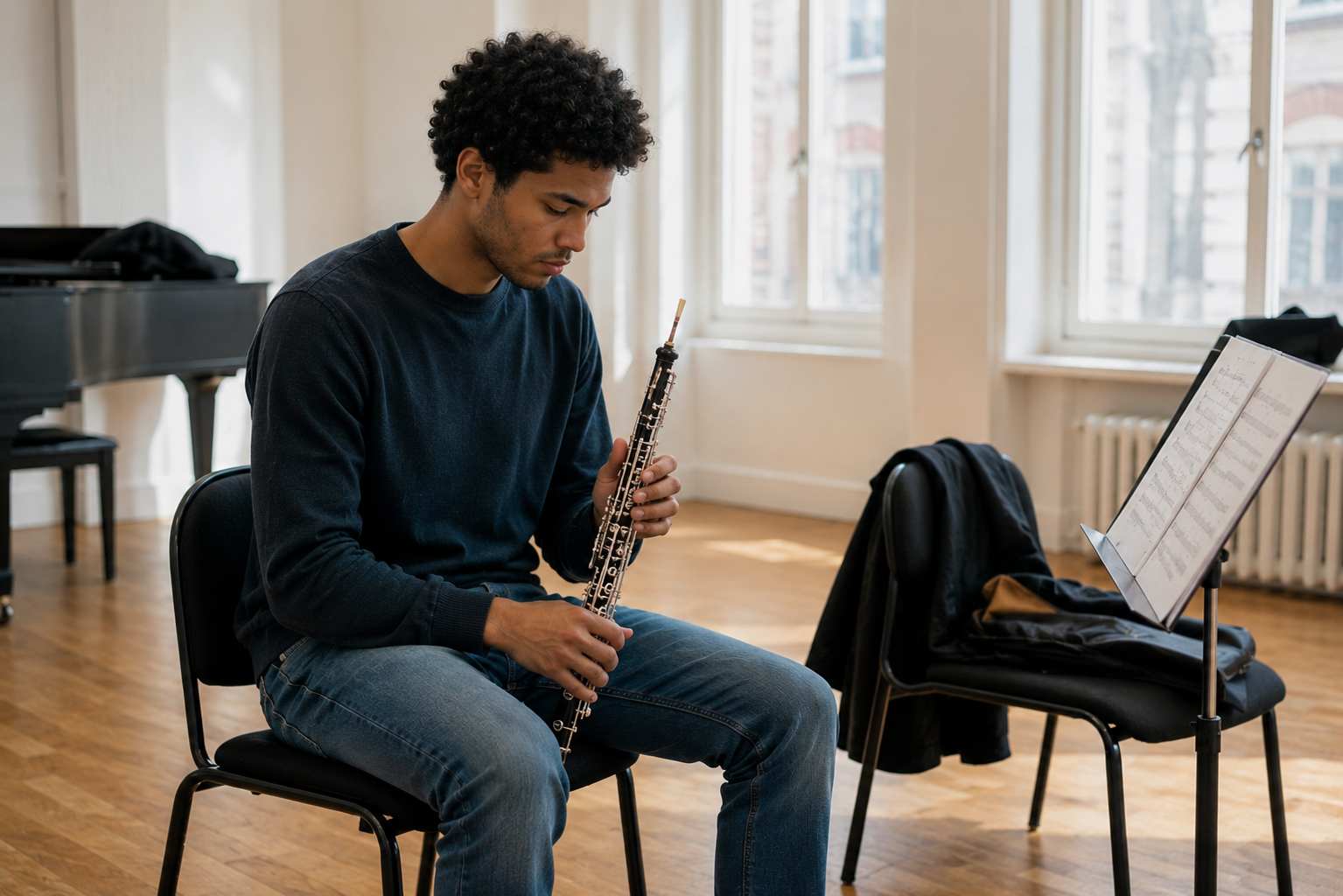
At that point, more hours do not produce more trust. They produce temporary relief. And temporary relief is not the same as preparation.
This is one reason overpractising can feel strangely unsatisfying. You are doing a great deal, but the feeling of enough never quite arrives. Not because you are not working hard enough. Because the work has quietly changed its function. It is no longer serving the music. It is serving fear. And fear, unlike a concerto, is never finished.
Recognising this distinction is not a reason for self-criticism. Most musicians arrive here through entirely understandable paths — through training that rewarded effort, through audition culture that equated hours with readiness, through years of measuring commitment in visible, quantifiable ways. The pattern makes sense. It is also worth seeing clearly, because once you see it, what you need changes.
What exhaustion actually looks like before it becomes obvious
Many musicians wait too long. They assume rest is only warranted when the body forces it — when illness arrives, or when the mind becomes so noisy that ignoring it is no longer possible.
But exhaustion often announces itself earlier and more quietly than that.
Concentration becomes effortful in the wrong way — not the good effort of working through something difficult, but a heavier, more reluctant kind that leaves you disproportionately depleted. Normal mistakes start to land with more emotional weight than they deserve. A difficult passage no longer feels like a problem to solve; it starts to feel like evidence of something.
There is also a subtler signal that is easy to miss: when your work remains disciplined on the surface but has become inwardly joyless. When you are still showing up, still meeting the standard, but the relationship to the music has quietly compressed into something heavy and slightly desperate.
That counts. Not as weakness, and not as a reason to immediately stop everything. But as information worth taking seriously before the cost grows larger than it needs to.
Musicians who last in this profession are often not the ones who pushed through the most. They are the ones who learned, sometimes slowly, to recognise that signal before it became a crisis.
Rest is not the opposite of commitment
This is the reframe that matters most, and the one that tends to meet the most internal resistance.
Rest is not what happens when commitment disappears. It is one of the conditions that allows commitment to remain sustainable and honest over time.
Without real recovery, effort becomes increasingly distorted. Perception narrows. The body stops cooperating in the same way. Small difficulties start carrying more weight than they should. The practice room fills with pressure that does not belong only to the notes in front of you.
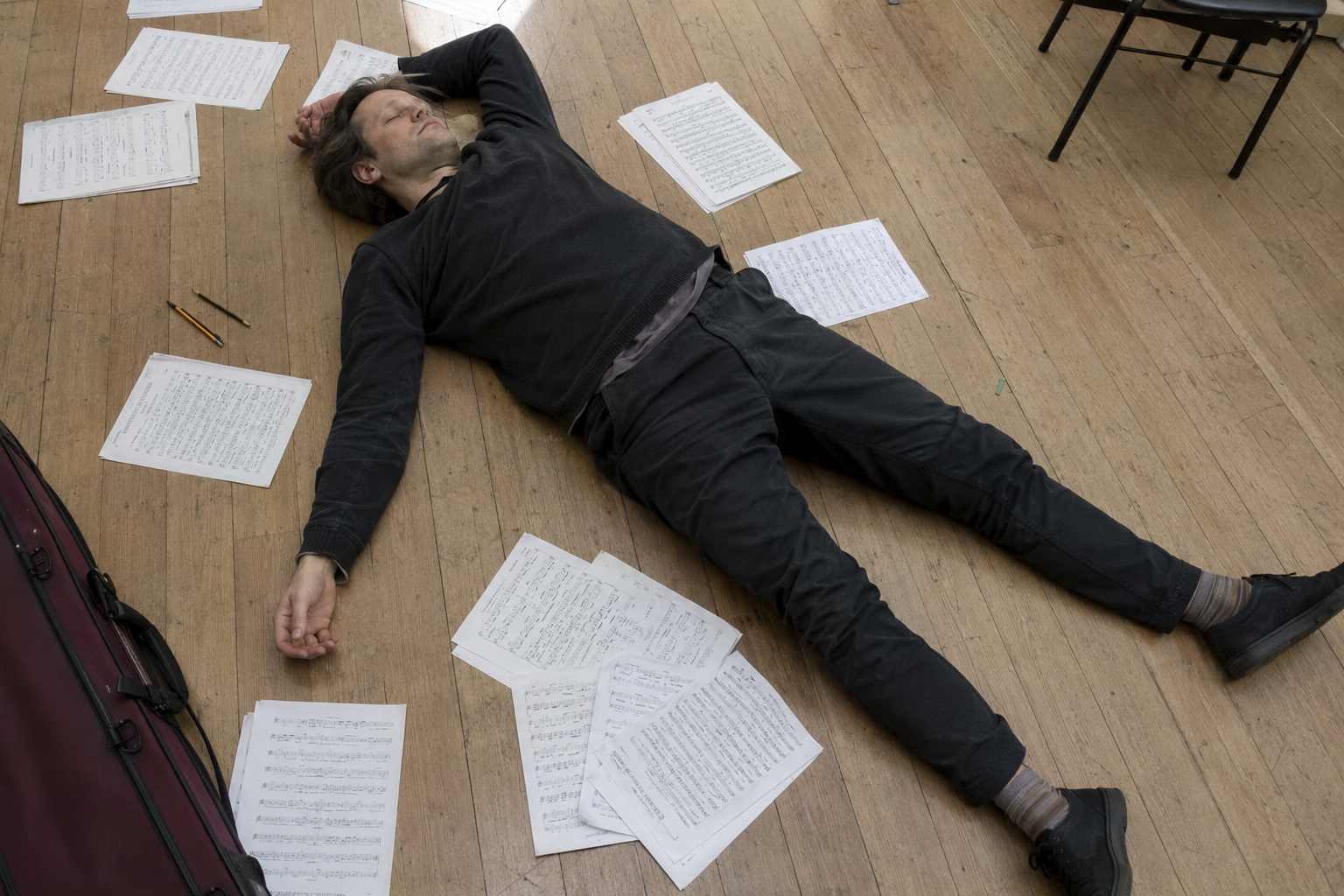
And the response many musicians know is to try harder.
But there are moments when trying harder is not a deeper form of dedication. It is simply a refusal to listen. Real commitment is not demonstrated by how effectively you ignore your limits. It is shown in how honestly you learn to work with them — including the limit that says the most responsible thing tonight is one less hour, not one more.
That is not an easy shift, especially in a field where exhaustion has learned to disguise itself as virtue. But it leads to better work. Cleaner work. Work that is more stable because it is not being asked to simultaneously prepare the music and manage an internal emergency.
A healthier rhythm of recovery
A different relationship with rest usually begins when you stop treating it as a reward.
If rest only becomes permitted after everything is finished, it will always feel illegitimate. Because in music, everything is rarely finished. There is always another passage, another program, another standard slightly beyond reach. The list does not end, which means the permission never quite arrives on those terms.
The shift is not only practical. It is relational. Rest has to become part of the work, not a concession to weakness.
In practice, this might mean ending a session before you have extracted every possible minute from it. Leaving some energy intact for tomorrow. Recognising that a shorter session that remains clear and connected serves the music better than a longer one that has drifted into anxious repetition.
It also means learning to sit with the discomfort that rest sometimes reveals. Because when you stop moving, the first thing that often surfaces is not peace. It is everything the motion was holding off. The pressure, the uncertainty, the awareness of how much is still unresolved.
That is not a sign that the rest is wrong. Very often, it is the sign that it is necessary.
The most useful question is not simply “have I done enough today?” It is more honest than that: is the work I am still doing genuinely serving the music, or is it mainly serving the feeling of not having stopped yet?
You are not less serious because you need to stop
Needing rest is not evidence of lesser commitment. It is not a sign that someone else wants this more than you do. It is not proof that your dedication is fragile.
It means you are a person doing demanding work in a demanding profession, and the system that carries that work is not mechanical. It requires care. Not only when it breaks down, but before that — as a regular, non-negotiable part of how you sustain a musical life.
The musicians I have seen burn out were not always the least committed. Very often they were among the most committed. What they were missing was not desire. It was the ability to distinguish between devotion and fear.
Devotion keeps going because the work is meaningful.
Fear keeps going because stopping feels dangerous.
They can look identical from the outside. They feel very different from the inside. And learning to tell them apart — not once, but repeatedly, across a career — may be one of the quietest and most important things a musician can do.
Stopping when you need to is not a retreat from the work.
Sometimes it is the most serious thing available.
FAQ Section
Why do musicians feel guilty when they rest?
Because rest often gets interpreted through values of discipline, ambition, and comparison that music training reinforces over many years. Many musicians learn to trust effort more easily than recovery — not because they are wrong to value effort, but because recovery was rarely modelled or discussed in the same way.
Is practising less a sign of being less committed?
Not necessarily, and often the opposite. When practice has become a way of managing anxiety rather than genuinely preparing the music, reducing it — and replacing it with real rest — can produce better work. More hours only help when the hours remain clear, useful, and connected to actual preparation.
How do I know if I need rest or just more discipline?
A useful question is whether the work still feels productive and genuinely connected to the music, or whether it has become anxious, repetitive, and primarily about calming a feeling of not having done enough. The latter rarely produces the result it is reaching for.
Can rest actually improve my playing?
Yes. Rest supports focus, physical coordination, emotional steadiness, and the capacity to hear the music clearly rather than through accumulated pressure. It is often what allows good work to remain good work over time rather than slowly becoming effortful and compressed.
What if I genuinely don’t have time to rest before an audition or concert?
Even small recoveries matter. A short walk, a meal eaten without the score, a conversation that has nothing to do with music — these are not luxuries. They are what allows the nervous system to remain available. Rest before high-stakes moments does not have to be long to be real.

Instagram
Facebook
LinkedIn
Website