


The Best Player in the Room Doesn't Always Win
You played the cleanest first round of your life. Intonation where it belonged, the opening of the concerto steady, no cracked notes, no rushing. You walked off sure you were through. Twenty minutes later someone read out four numbers, and yours was not among them. Later you heard who went on, and you thought, honestly and without arrogance: I played better than that.
Maybe you did. That is the uncomfortable part of this article.
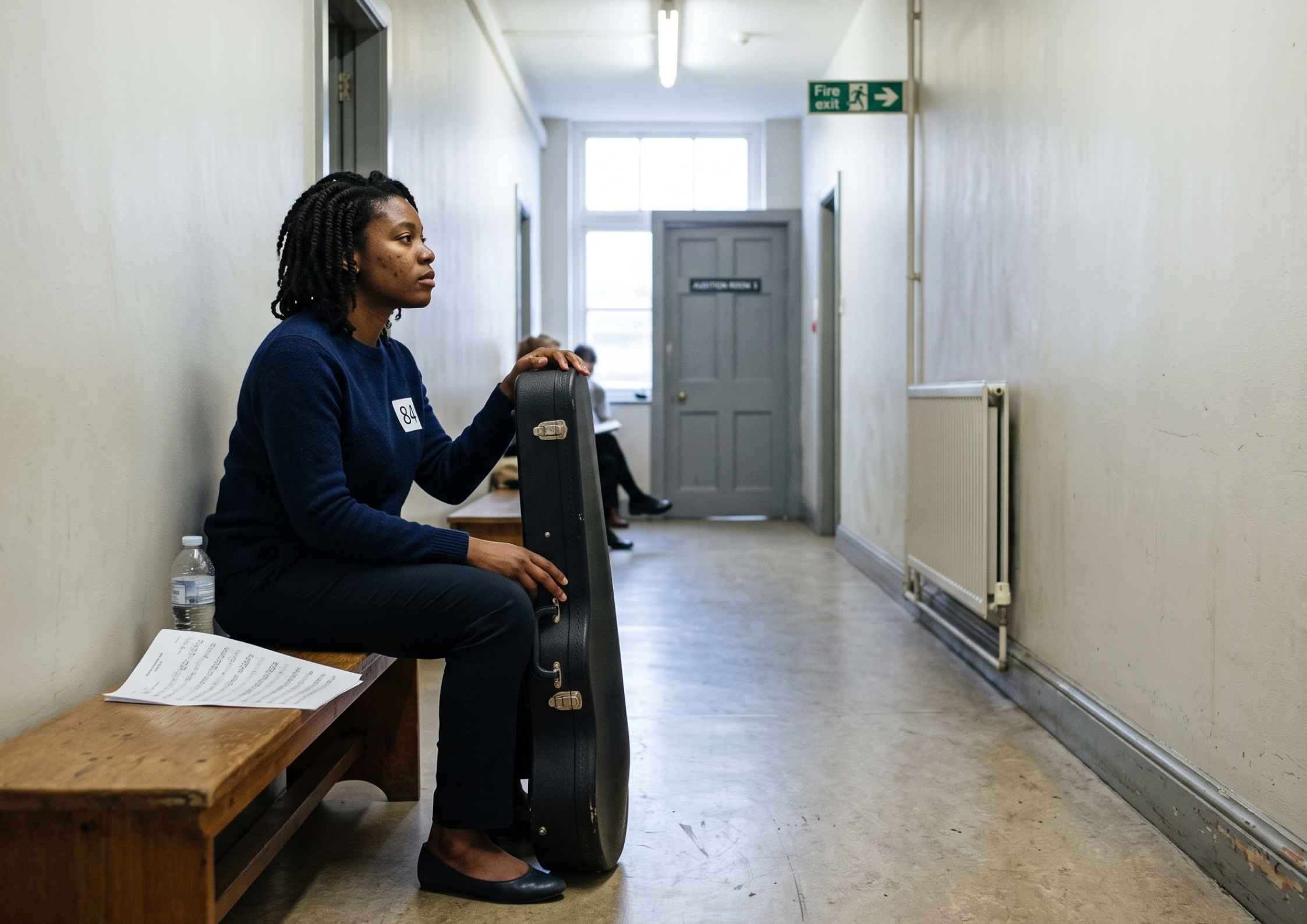
The belief that keeps you practising the wrong thing
Most of us grew up with a simple model of auditions. The panel ranks candidates by level, and the highest level wins. Inside that model, every result is a verdict on your playing. If you went out, you were not good enough yet.
So you go home and do the only thing the model allows. More scales, more slow practice, more recordings of the same excerpts, a higher standard for next time. The model feels fair, and it feels controllable. It is also incomplete, and the part it leaves out is the part that decides most auditions.
Level matters. Without it you do not survive the first ten minutes. But by the later rounds of a serious audition, almost everyone left can play the list. The panel has stopped asking who plays best. It is asking something else, and if you do not know what, you will keep preparing for an exam nobody is sitting.
What the panel is actually listening for
Behind the screen sit people who will share a stand, a section or a principal chair with whoever they choose, possibly for decades. They are not grading. They are imagining. They are listening for the candidate who makes them stop writing for a moment: a phrase that goes somewhere, a sound with a point of view, a player who would make the orchestra better on a tired Tuesday morning.
That changes what a good round is. A round with no mistakes and no music is forgotten by the next candidate. A round with one smudged shift and a phrase that truly lands is often the one they discuss. If that sounds wrong to you, notice how much of your playing has become the thing you are judged on rather than the thing you have to say.
Why the cleanest player often sounds the safest
Here is the cost of the ranking model. If you believe the audition is an error count, you prepare to make no errors. You choose tempi you can guarantee. You take the risk out of the phrase that might crack. You play the excerpt the way twenty recordings play it, because that version cannot be wrong. You become, very precisely, the safest player in the hall.
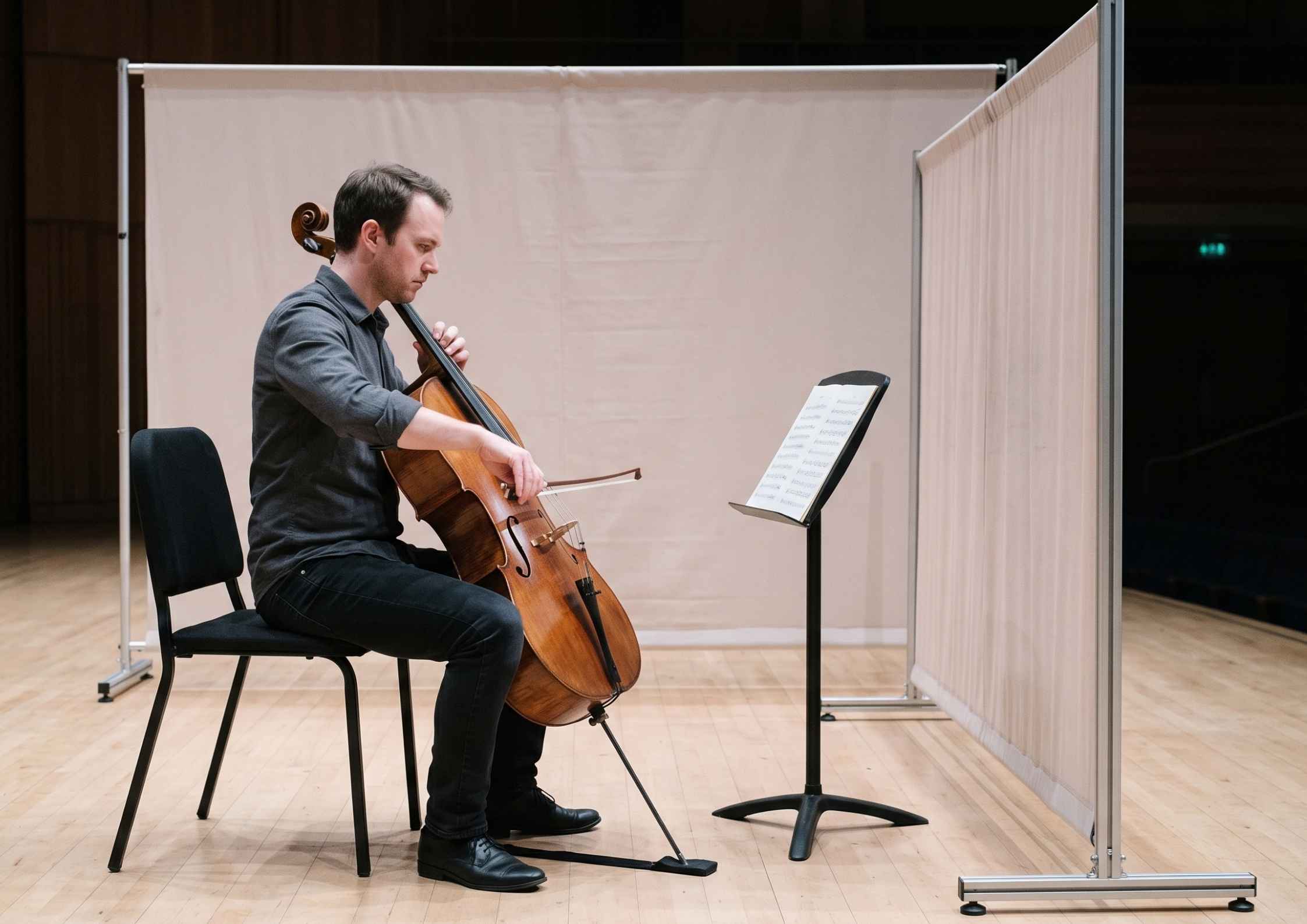
And safe is exactly what a panel cannot hear. Nothing in a safe round tells them who you are, because they have heard that version five times already that morning.
The pattern tends to be strongest in strong players. The better you get, the more you have to lose, and the more your preparation shifts from making music to protecting a level. At that point more hours do not help, because more practice no longer makes you feel safer. It only makes the protection more thorough.
What you can control, and what you cannot
None of this makes auditions a lottery, and none of it is an excuse. Some things on the day are genuinely outside your hands: what the section needs, who else is in the room, an internal candidate, a panel that has been listening since nine.
But what the panel is listening for is not luck either. Whether your playing keeps its intention under pressure, whether the phrase you planned survives the walk from the corridor to the first note, is trainable. It is simply a different kind of preparation from polishing the list one more time.
Three questions for your next preparation
When you listen back to a recording of yourself, do you ask "was that clean?" or "would anyone remember that?" Both matter. Most musicians only ever ask the first.
Which excerpts have you made safer over the last months? Where did a phrase lose its direction because you stopped trusting it?
After your last audition, what story did you tell yourself? If it was only "I wasn't good enough", check it against the round you actually played, not the version your mind keeps replaying afterwards.
Being the best was never the assignment
There is relief in this once the sting wears off. You were never going to out-polish every candidate who travels to every audition. Nobody can. What you can do is arrive as a player with something to say, and keep saying it when your hands are cold and the screen is two metres away.
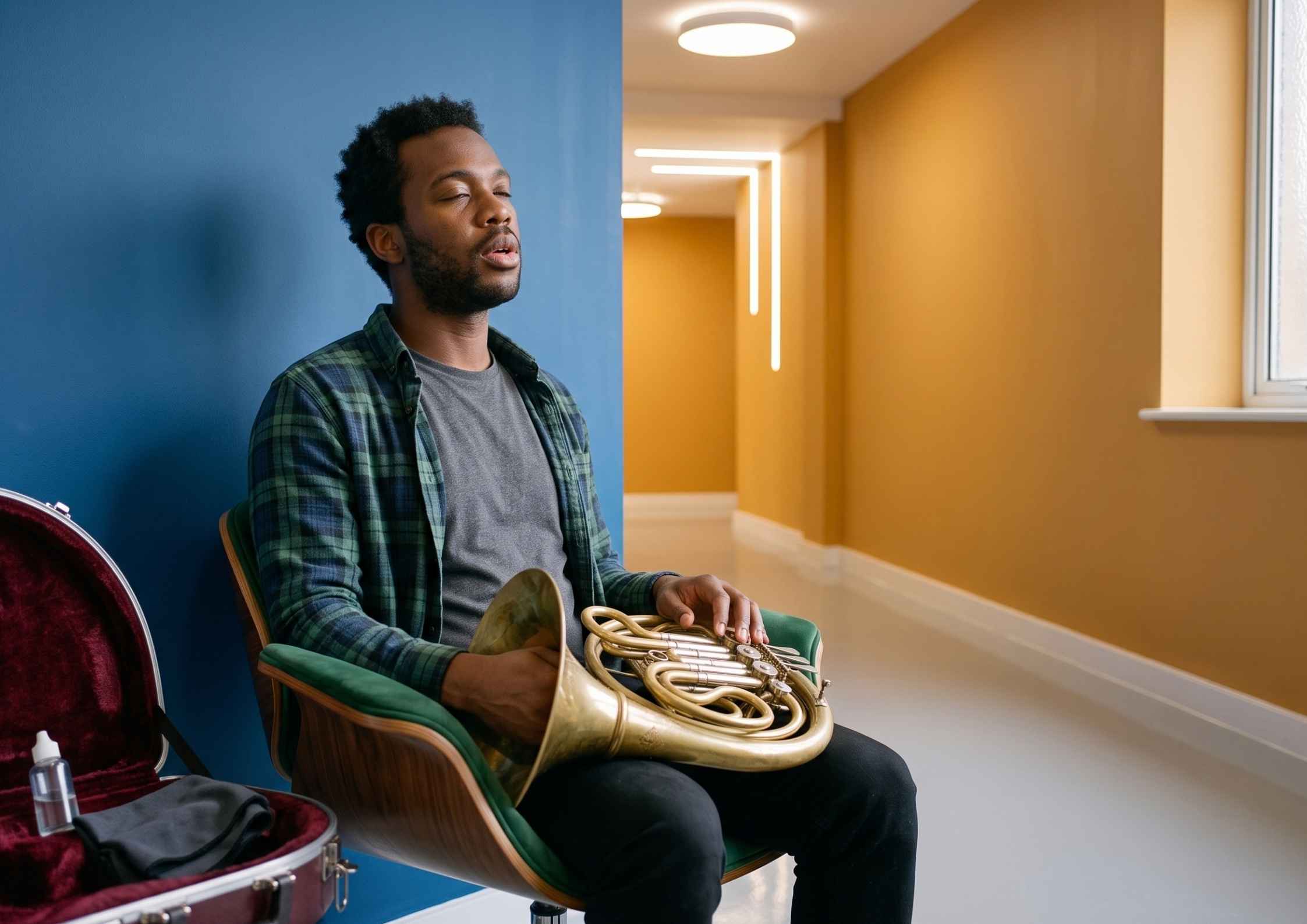
That player does not win every audition. But that is the player panels argue about, and sooner or later, the one they choose.
Frequently asked questions
Do orchestras give feedback after an audition? Practice varies a great deal between orchestras and countries. Some panels offer short comments on request, many do not. It is always worth asking politely, and worth remembering that one panel's comment describes one day, not your ceiling.
Is it worth auditioning if I know I'm not the strongest player in the field? Yes, if your level gets you through the early rounds. Beyond that point, the decision rests on more than ranking, and a player with a clear musical identity can win against technically stronger candidates.
How do I know if I'm playing it too safe? Listen to a recording of your excerpts next to one you love. If yours is cleaner but you would not choose to listen to it twice, the music has probably been traded for security.

Instagram
Facebook
LinkedIn
Website