


The Gap Between How You Played and What Your Mind Keeps Telling You Afterward
The Gap Between How You Played and What Your Mind Keeps Telling You Afterward
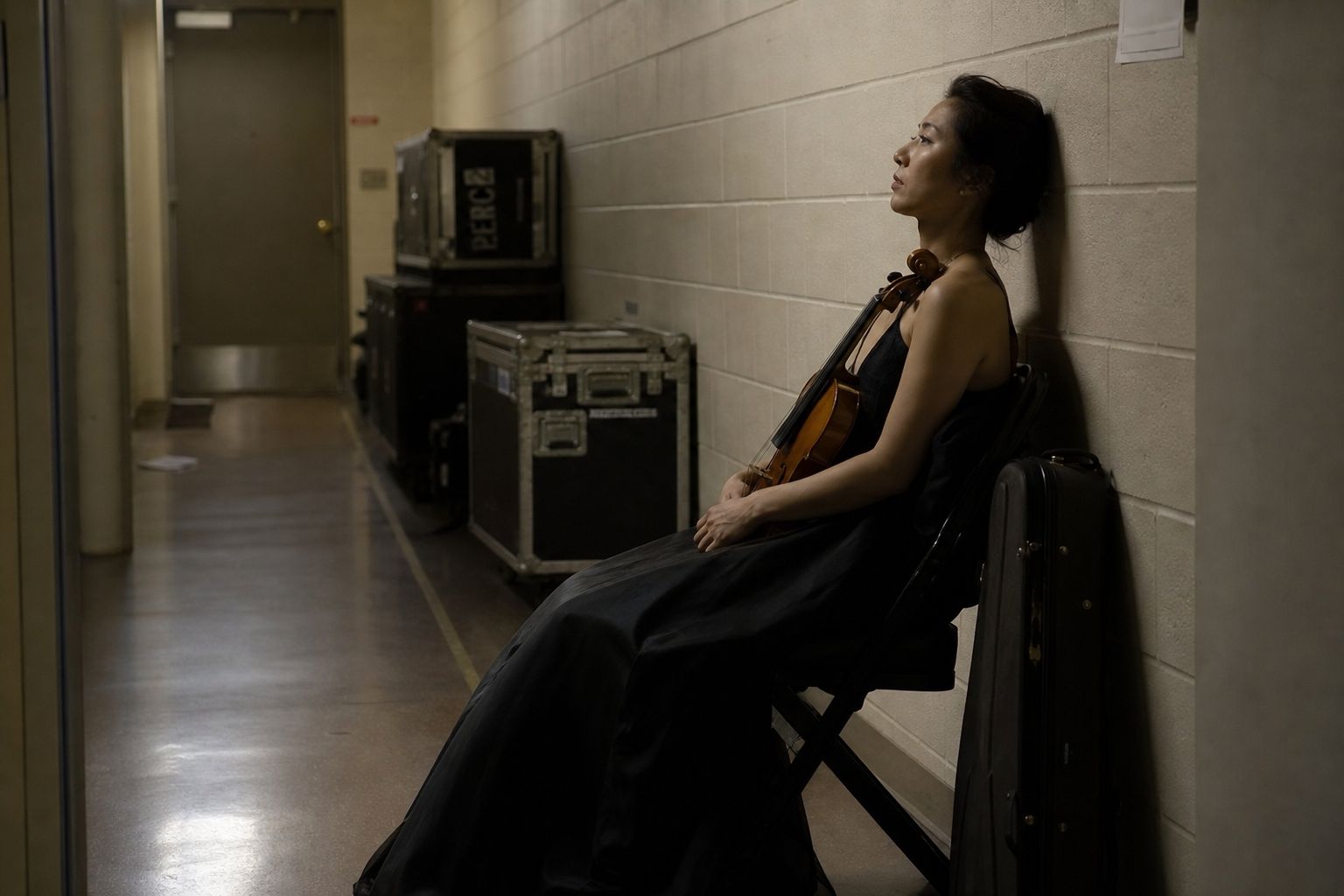
There is a strange moment that can happen after you play.
The performance is over. You are offstage, or packing up, or walking home. The event has ended, or at least its outer form has. But something in you is still inside it — circling a phrase, re-entering a passage, pulling at the thread of one moment until the texture of the whole thing starts to change.
And gradually, without quite deciding to, you stop remembering the performance. You start reinterpreting it.
That shift — from memory to reinterpretation — is where a lot of suffering quietly begins.
Because once your nervous system is still activated, the mind does not become clearer or more honest. It becomes selective. It scans for what went wrong, for what might have been revealed, for what could mean something about your readiness or your level. And it does this with a quiet authority that can be very hard to question.
What follows sounds like a review. It often functions more like an interrogation.
Why musicians replay performances compulsively
It is worth saying plainly: replaying a performance is not a sign of weakness or neurosis. Usually it means the performance mattered.
When something important happens under pressure, the mind wants to return to it. It wants to understand what occurred, whether it went well, what it might mean. That impulse is not irrational — it is how we make sense of difficult experience. The problem is that this process, when driven by anxiety rather than genuine curiosity, tends to serve a different function. The mind says it is reviewing; what it is often doing is trying to manage an emotional discomfort it cannot yet tolerate.
So it circles the same passage again and again. Not to learn something new, but because the discomfort has not resolved yet. And in that state, revisiting does not bring clarity. It brings more tension, more doubt, and a progressively darker reading of what actually happened.
How stress changes memory
Stress does not only change how you play. It changes how you remember.
After a high-pressure performance, the body is often still carrying activation — elevated heart rate, adrenaline, the particular alertness of having been fully exposed. Memory is being formed in that state. Which means it is being filtered through it.
The result is that certain details become unnaturally vivid while the broader arc of the performance recedes. One cracked note is recalled with painful precision. The steadiness across forty other bars is barely registered. A moment of tension gets frozen in memory while the recovery that followed it disappears entirely. The mind under stress is not interested in proportion; it is attending to threat.
This is why musicians can leave a concert feeling certain they played terribly, and then hear from colleagues, or from a recording, that it came across quite differently. The experience in your body and the story your mind constructed from it are not always the same thing.
Why small moments become bigger afterward
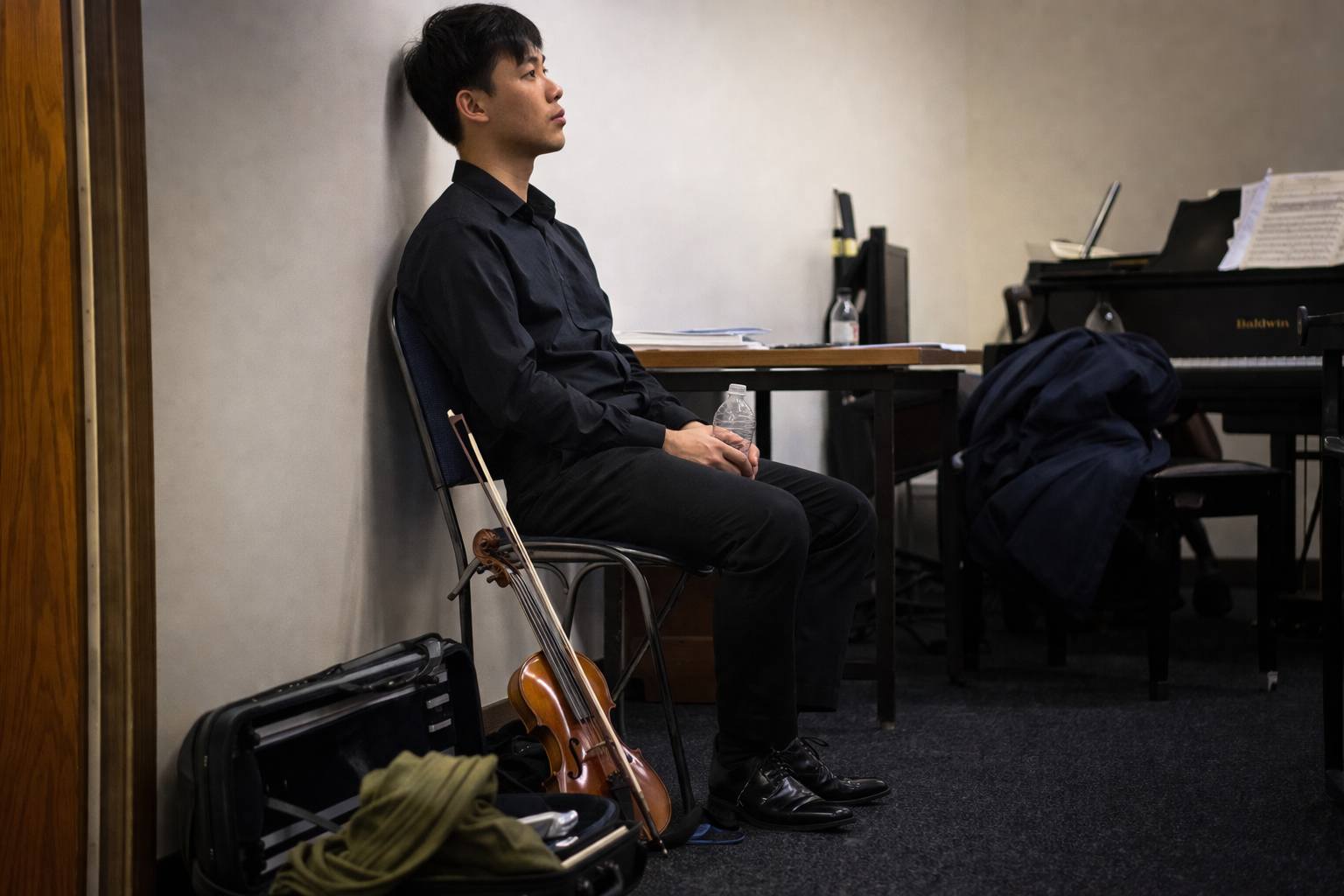
A lapse rarely stays a lapse when fear picks it up.
Once a moment connects with self-doubt, it starts to accumulate meaning. One missed shift stops being a technical event and starts becoming evidence — of unreliability, of being underprepared, of not being where you should be by now. The mind rushes to turn a moment into a conclusion.
And that is where the real suffering is. Not in the mistake itself, but in the speed at which the mistake becomes a verdict. A moment of imprecision becomes a statement about identity. A single entrance becomes proof of a pattern.
Most of the time, that meaning is assigned long before the evidence justifies it.
The danger of deciding too soon
Immediately after a performance, your judgment is often at its least reliable.
You are close to the event. The body may still be unsettled. Your standards are probably running high. And if the performance mattered — if you were hoping to show something, prove something, or move through something — disappointment can arrive before you have had any time to see clearly.
Many musicians create additional pain here by deciding too quickly what the performance meant. They conclude it confirms something they feared. They conclude it represents a regression, or exposes a limit, or cancels out months of good preparation.
A performance is one data point. Not a biography.
It can show you something genuinely useful: a pressure point, a habit under stress, a gap in preparation. But those are observations, not conclusions. The difference matters. Observations can be worked with. Conclusions about who you are or what you are capable of — arrived at while still activated, still tender — tend to create more suffering than insight.
How to let a performance settle before judging it
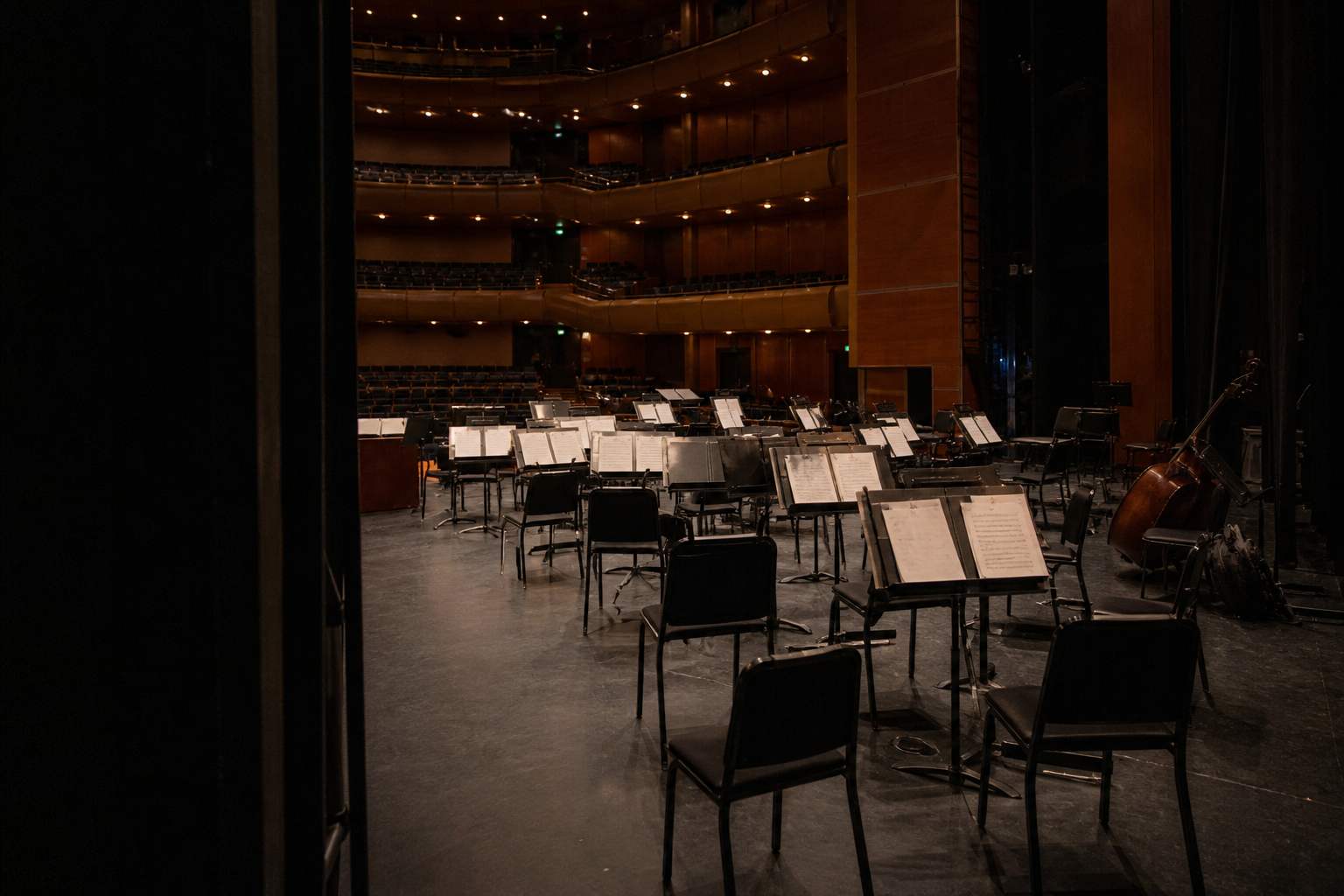
None of this means pretending everything went well. It means creating enough space to see more honestly.
The first thing is to delay the full verdict. Not forever — but long enough for the body to come down. Eat something. Walk. Breathe. Return to something ordinary before you try to evaluate something that was anything but. In the first ten minutes after a performance, you are not well-positioned to assess what happened. You are still inside it.
The second thing is to distinguish what you observed from what you concluded. "My sound felt tight in the opening" is an observation. "I always fall apart under pressure" is a conclusion. One can be examined and worked with. The other usually just closes down.
The third thing is to look at the whole arc — not just the moment that still stings. Where did preparation hold? Where did the music move? How did you respond when something slipped? A performance is not only its worst passage. A mature review is wider than a single difficult memory.
And perhaps the most useful question is not "How bad was it?" but rather: what does this show me about how I am relating to pressure? Not what went wrong technically, but what happened in me — and what that might tell me about the next step.
Sometimes the most honest response to a performance is to let it rest. To stop asking it to mean something before it is ready to.
FAQ
Why do I keep replaying a performance in my head?
Usually because the performance mattered and your mind is still trying to make sense of the tension, uncertainty, or disappointment that came with it. The replay often feels like reviewing — but frequently it is the nervous system trying to resolve something it cannot quite settle yet.
Can stress really distort my memory of a performance?
Yes. Stress narrows attention, amplifies threat, and can make one difficult moment feel larger and more defining than the whole arc of what actually happened. It is not unusual to leave a performance feeling it went badly, and then hear from others that it came across quite differently.
How long should I wait before evaluating a performance?
There is no fixed rule, but it helps to wait until your body feels more settled — and to separate that calmer review from what you thought in the first hour. A calmer look is almost always a more accurate one.
Does replaying a performance help me improve?
It can, if it leads to clear, specific observations and genuinely useful adjustments. If it becomes repetitive self-criticism that circles the same ground without going anywhere new, it tends to increase anxiety without adding anything.
What should I focus on after a performance instead?
Facts over interpretations. The arc over the single moment. What held alongside what slipped. And what the experience tells you about how you respond under pressure — not who you are.

Instagram
Facebook
LinkedIn
Website